
- Key Takeaways
- Why Heavy-Duty HVAC Differs
- Diagnosing Heavy-Duty HVAC Failures
- The Hidden Costs of Failure
- Your First-Response Fixes
- The Professional Repair Advantage
- Proactive Maintenance Strategy
- Conclusion
- Frequently Asked Questions
- What makes heavy-duty HVAC systems different from standard units?
- How can I quickly diagnose a heavy-duty HVAC failure?
- What are the hidden costs when a heavy-duty HVAC fails?
- What first-response steps should I take before calling a pro?
- Why hire a professional for heavy-duty HVAC repairs?
- How often should I service a heavy-duty HVAC system?
- What proactive maintenance delivers the best ROI?
Key Takeaways
- Heavy-duty HVAC is designed for industrial and large commercial applications and needs to withstand ongoing operation in harsh temperatures, dust, and corrosive environments. Select tough equipment and components that meet fluctuating loads and increased airflows in these spaces.
- It’s a complicated system to design, combined air handling, ventilation, heat and energy recovery. Take advantage of modular architectures and leave the set-up, commissioning and maintenance to qualified specialists.
- Power requirements are elevated because of the large fans, compressors, and chillers. Monitor electrical data, control optimization, and energy-efficient upgrade prioritization to reduce operating costs and emissions.
- Proper diagnosis stops expensive downtime and freight loss. Employ monitoring solutions to detect refrigerant leaks, compressor malfunctions, electrical faults, airflow obstructions, and sensor malfunctions and respond promptly to confirmed alerts.
- First-response fixes help stabilize performance prior to service. Conduct inspections, foolproof resets, and filter cleaning. Record notes to expedite expert servicing.
- Heavy duty HVAC with a proactive maintenance plan makes it more reliable and safer. Arrange regular visits and seasonal tune-ups, maintain logs, and schedule service to correspond with usage, conditions, and manufacturer recommendations.
Heavy-duty HVAC is the term used for high-capacity HVAC systems designed for large spaces and harsh loads. These units operate in factories, datacenters, hospitals, and high-rise buildings where reliable climate control is significant for safety, uptime, and comfort. Typical configurations are rooftop units with scroll or screw compressors, air handlers with variable speed fans, and chillers that transfer massive heat loads with consistent output. To fine-tune air quality demands, they employ MERV 13+ filters, UV-C options, and accurate humidity control. Energy goals depend on VFDs, heat recovery, and smart controls that integrate with building systems. Upfront cost is higher, but long life and lower kWh per square meter reduce total cost. The guide below handles types, sizing, and care.
Why Heavy-Duty HVAC Differs
Designed for big sites and extended duty cycles, heavy-duty HVAC caters to industrial and commercial spaces where they’re tougher than home. Systems are sized to condition thousands of square meters, with larger fans, coils, and ducts to move high air flow and satisfy high sensible and latent loads. Design has to account for variable gains from process heat, dense occupancy, and wide zone demands, while downtime during business hours is detrimental, so reliability and planned preventive maintenance count.
Extreme Conditions
Heavy-duty HVAC needs to maintain setpoints in heat waves, cold snaps, and mixed climates. Lots of plants are dealing with dust from handling bulk goods or corrosive air from chemicals and salt, so components need coated coils, sealed bearings, and filters rated for heavy dust. Outdoor swings strain compressors and controls that have to maintain indoor air stability over production shifts.
Maintaining indoor air quality means tight control of fresh air, humidity, and pressure. Data halls, food plants, and logistics hubs require specialized air handlers, high MERV or HEPA filtration, and dedicated condensing units that can ride out fouling, irregular service windows, and hard starts. Climate control typically combines high-performance equipment with state-of-the-art heating strategies, such as condensing boilers, heat pumps, or heat reclaim coils, to manage comfort, process requirements, and uptime.
System Complexity
Commercial systems have big air handlers, multi-staged or VFD-driven compressors, supply and return fans, and layered ventilation with demand-controlled outside air. Many sites add energy recovery wheels or run-around coils to reduce fresh air loads, as well as heat recovery chillers that provide reheat.
Custom solutions and modular builds fit mixed-use towers, warehouses, and factories. Combo heating and cooling packaged units can serve multiple zones from one cabinet. Design teams evaluate building size, insulation levels and process heat from equipment to ensure capacity meets actual loads without excess.
Complicated environments require experienced experts and maintenance programs. This preventive maintenance, including coil cleaning, filter changes, and vibration checks, minimizes unscheduled outages that disrupt work during core business hours.
Power Demands
Delivering potent cooling and consistent heating requires big compressors and blowers, typically on massive chillers or roof-mounted units. These loads drive operating costs, so energy efficiency measured by SEER for cooling and AFUE for heating counts.
Monitor electrical data, peak demand, and runtime. Employ variable-speed drives, optimized setpoints, and sequencing to reduce energy consumption and decrease carbon footprint without compromising uptime.
Diagnosing Heavy-Duty HVAC Failures
Precision diagnostics reduces downtime, prevents ineffective part swapping that neglects the root cause, and extends equipment life. A failure in any link, controls, sensors, power, refrigerant circuit, or airflow can topple a system or result in insidious, hidden losses. Understanding how components interact is the first phase. Collecting evidence counts, but interpreting it correctly counts even more. Diagnosing Heavy-Duty HVAC Failures uses structured checks, training, and logged trends to reduce guesswork, especially when a unit fails to start.
1. Refrigerant Leaks
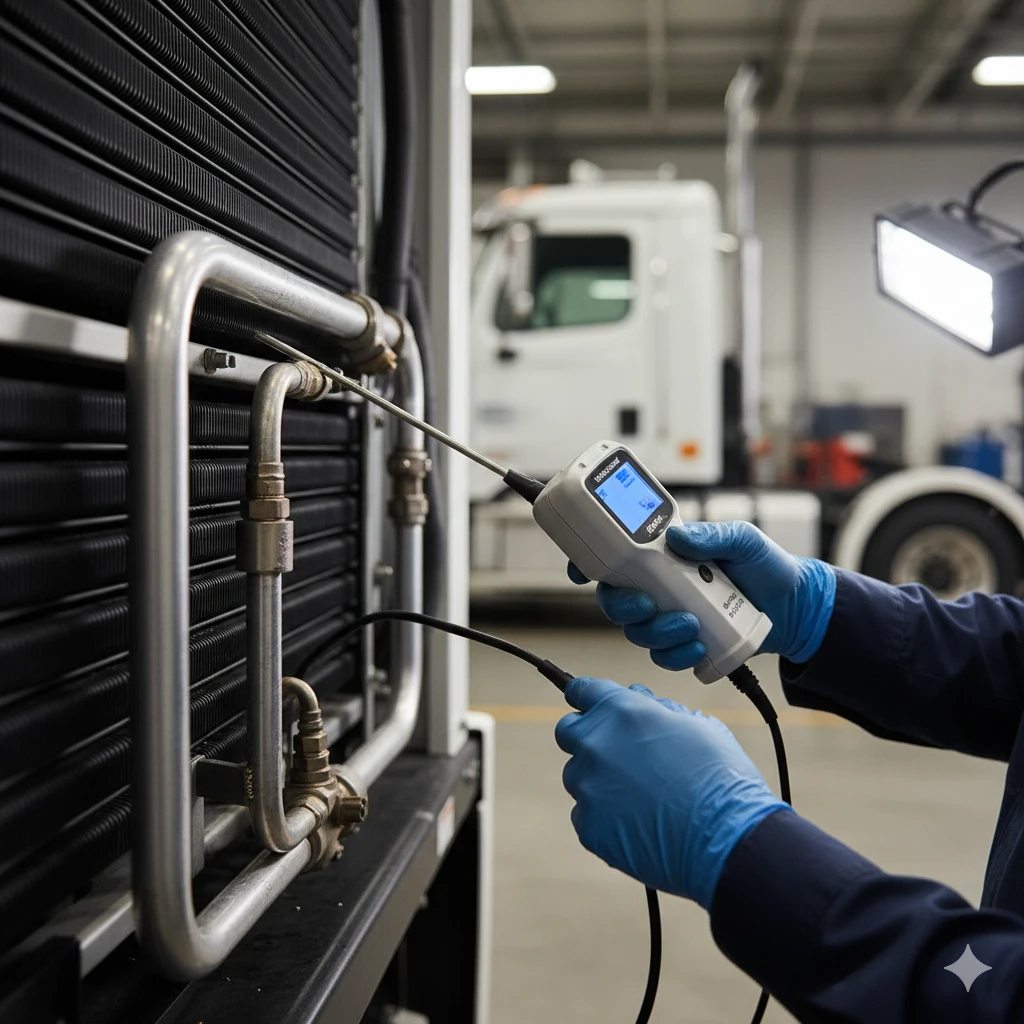
Check flare fittings, brazed joints, service valves, hoses, evaporator and condenser coils. Search for oil streaks, line frost, or rusted fins. Confirm with nitrogen and soap solution after finding leaks with an electronic leak detector.
Monitor supply air temperature versus setpoint under stable load. Suction pressure and superheat drifting figures suggest slow loss. Early repair saves acid formation and safeguards indoor air by preventing moisture intake and icing. Recover, repair, pressure test, vacuum to less than 500 microns and charge to specification.
2. Compressor Failure
Worn compressors lead the list of heavy-duty unit breakdown causes. Symptoms include hard starts, short cycling, tripped breakers, and rising discharge temperatures.
Diagnosing heavy-duty HVAC failures: Listen for grinding or rapid clicking, check shell and motor temperatures. Check suction and discharge pressures, current draw, and start attempts in logs. If you have irregular cycling with normal airflow, chances are it is this. If the compressor is to blame, it typically needs repair or replacement by a professional to bring it back to steady operation.
3. Electrical Glitches
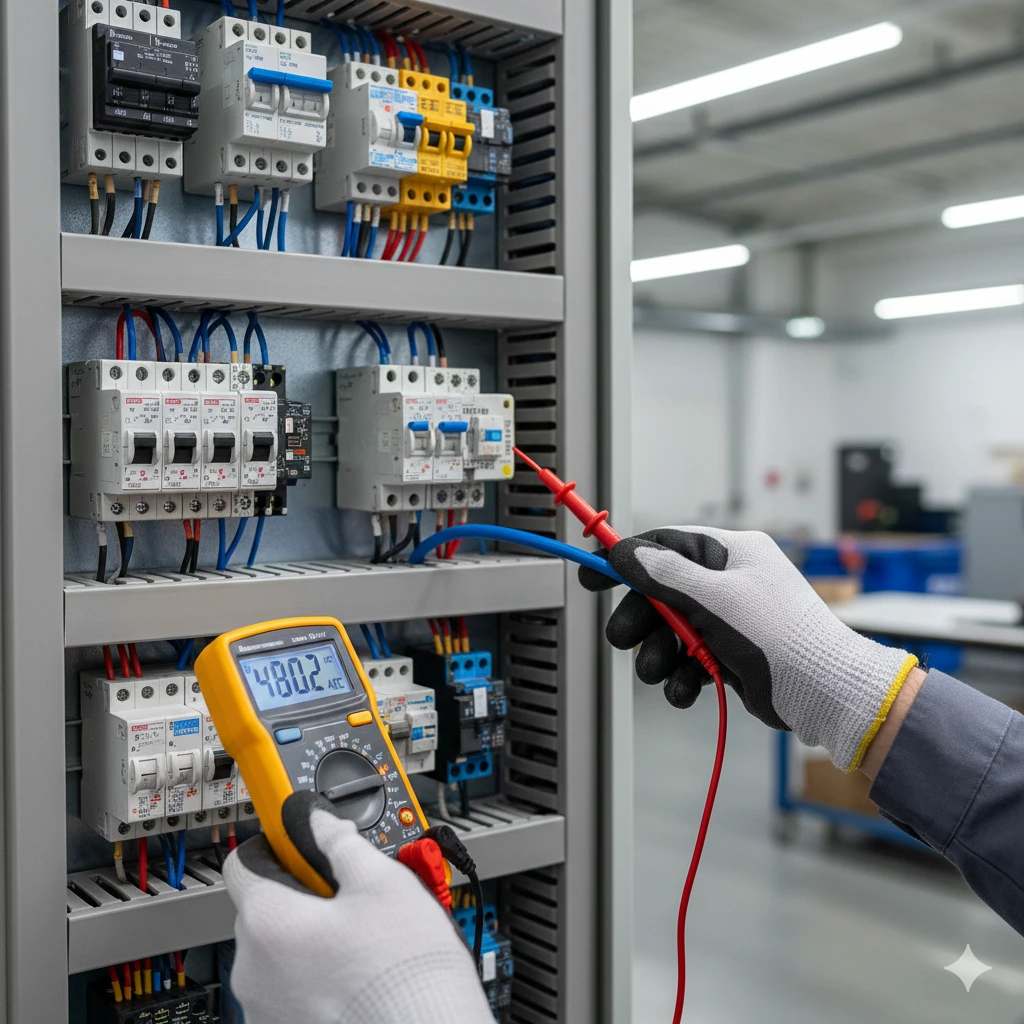
Check wiring harnesses, contactors, relays, terminal blocks, control boards for burn marks, loose lugs, moisture, and corrosion. HHVAC’s modern controls assist in diagnosing heavy-duty HVAC failures by tracing voltage drops, blown fuses, and sensor faults through alarms and live values. For safety and code reasons, call a trained technician for testing and repair.
4. Airflow Blockages
Clogged filters, blocked grilles, and crushed or dirty ducts choke flow, increase coil frost risk, and damage air quality.
Diagnosing heavy-duty HVAC failures. Change filters every 1 to 3 months for heavy use. Schedule coil and duct cleaning. Airflow stations and differential pressure taps diagnose bottlenecks so you can balance zones and control loads.
5. Sensor Malfunctions
Faulty temperature, humidity, or pressure sensors mislead control and cycling. Check calibration and ensure it is located away from radiant heat, drafts, or dead zones. Swap out bad sensors to safeguard comfort, cargo integrity, and uptime in rigs and plants.
Maintenance Checklist:
- Power path: fuses, breakers, contactors, voltage at load.
- Air path: filters, coils, belts, dampers, static pressure.
- Refrigerant: leaks, subcool, superheat, sight glass.
- Controls: setpoints, trends, alarms, firmware.
- Safety devices: pressure switches, freeze stats, overloads.
- Documentation: log readings, note changes, analyze patterns.
The Hidden Costs of Failure
Heavy-duty HVAC failures drain time, money, and trust. They dirty tanks and cause unscheduled outages that stall fleets and facilities, missed loads, and premium call-outs. Such reactive repairs can cost two to three times the price of planned work, particularly if it’s during peak season or after hours. Downtime compounds lost driver hours, idle docks, spoiled goods, and overtime for catch-up. Inefficient operation inflates site energy bills. HVAC typically accounts for 40 to 60 percent of overall energy use, so even small drifts can make a big impact. A conservative 10 percent efficiency loss can add $2,400 to $3,000 per year for a mid-sized site paying €55,000 to €70,000, and wide-ranging studies indicate 10 to 40 percent wasteful power use is typical. Sneaky stuff, like toilet flappers that are “fine” but still leak, consumes kilowatt-hours in the background. Design errors are important as well. Oversizing, prevalent in cold climates, leads to short cycling, humidity swings, premature wear, and elevated fuel or electricity costs. Skipped maintenance shortens life. While manufacturers cite 15 to 25 years, field data shows unmanaged systems fail 5 to 10 years earlier. TCO should account for downtime risk, energy waste, cargo loss, driver churn, and compliance fines, not just sticker price.
Driver Wellbeing
Bad climate stresses drivers. Heat, cold, and stale air reduce alertness, impair reaction time, and increase health hazards. In heavy-duty cabs and control rooms, sub-par heat or air conditioning raises temperatures into dangerous ranges and weighs on spirits.
- Set cab setpoints between 20–24°C; prevent rapid swings.
- Replace cabin filters each 15,000–20,000 km or per OEM.
- Inspect belts, compressors, and blower motors quarterly.
- Clean evaporators and condensers to keep airflow steady.
- Check refrigerant charge and leaks before peak seasons.
- Calibrate sensors; log temps and complaints for trends.
Routine upkeep promotes more consistent coziness and enhanced concentration, which increases security and efficiency.
Cargo Integrity
Temperature fluctuations and inadequate humidity control ruin perishable items, pharmaceuticals, electronics, and precision components. Condensation damages packaging and labels.
Insist on dependable HVAC with close control and supply air temperature monitoring to prevent hot and cold spots. Poor humidity management fuels ductwork condensation, component corrosion, insulation degradation, and indoor air quality problems.
In food, vaccines, chemicals and high-value electronics, tight climate control preserves shelf life, efficacy and warranty coverage.
Record temperature and humidity for each leg of transit for audits, claims protection, and ongoing optimization.
Fuel Economy
A struggling HVAC system makes engines and compressors strain and burn extra fuel. That drag is expensive over a fleet.
Optimize efficiency: right-size equipment, use variable-speed fans, high-SEER/IEER units, and improved controls. Sub-metering helps isolate HVAC loads for transparent tracking and tuning.
Clean filters and keep coils and ducts free. Solid airflow reduces system stress and energy consumption.
Efficient HVAC not only trims long-term energy bills and emissions, but reduces early failure and service calls.
Your First-Response Fixes
Use fast, secure checks to weed out easy problems before you call service. These steps enable you to identify hazards, reduce downtime, and communicate clear notes to a mechanic. Record dates, readings, noises, odors, and pictures. This accelerates diagnosis and can reduce labor hours. If you smell gas, burning, or a carbon monoxide alarm, get out and call 911 first. Remember, if the air inside falls below 10°C (50°F) or rises above 35°C (95°F), it is a hazard to health.
- If you see arcing, scorched wiring, or water near electrics, kill the power.
- Look, listen, smell: note leaks, ice, short cycling, or abnormal vibration.
- Check filters, vents, drains, and panels
- Reset the thermostat and power cycle it once, then stand by.
- Verify breakers/fuses; restore only once after finding cause
- Log all findings with photos and timestamps
Visual Checks
Scan air handlers, condenser coils, and visible wiring for dents, rubbing insulation, frayed conductors, loose lugs, or oil stains on refrigerant lines. Oil stains indicate a refrigerant leak. Get a flashlight out for those plenums, coil backs, and motor housings in large cabinets.
Check all vents and grilles are open, not obstructed by boxes or furniture, and that returns are unobstructed. Check for clogged filters bulging in frames, coil icing, or drain pan backup. Seal all access panels. An open panel can glitch safeties and deprive air flow. Clear leaves, plastic wrap, and construction dust on outdoor coils. Even a thin mat can spike head pressure.
Note safety first: If you smell gas, see smoke, or hear arcing, evacuate at once. Call 911, then your HVAC guy.
Simple Resets
Power cycle at the disconnect or breaker for 2 to 3 minutes, then restore to clear minor electronic gremlins. Thermostat — reset or re-seat the thermostat, verify that the mode, setpoint, and schedule are all correct. Follow the manufacturer’s reset sequence for commercial controls to prevent lockouts.
Inspect associated breakers and fuses. Replace with the same rating only after you locate the cause. A lot of these nuisance issues do clear with one safe reset, so don’t keep cycling, which fries compressors.
Keep track of what changed after the reset and for how long.
Filter Cleaning
Filthy filters strangle air flow and increase expenses. Clean or replace filters in air handlers and return grilles. Vacuum loose dust, then wash or swap per spec. Clean filters make air cleaner, take strain off compressors, and can boost efficiency by 15 to 20 percent.
Industrial systems filter schedule (hours and dust load) Regular upkeep can halve breakdown risk and avoid premium fees. After-hours surcharges often add $50 to $150 per call, with hourly add-ons of $40 to $80. Annual service is the primer coat; it repays in uptime and lower bills. Knowing when a defect is just an annoyance and when it’s risky saves stress and cash, particularly during high seasons.
The Professional Repair Advantage
Heavy-duty HVAC professional repair means rigorous diagnostics, the right tools, and workmanship that’s up to code. The outcome is greater productivity, less downtime, and an extended lifespan, with quantifiable improvements in energy consumption and maintenance expenses.
Advanced Diagnostics
Certified technicians employ portable analyzers and software-linked meters that help them trace faults that simple checks overlook. They read patterns in compressor amperage, coil temperatures, and control logic to find the root cause, not the symptom.
Computerized controls and remote monitoring bring precision. If you have trends from your building management system or telematics showing drift in suction pressure, fan speed variance, or valve cycle counts, it accelerates root cause isolation.
They capture granular data such as phase imbalance in volts and amps, superheat and subcool values in kelvin, static pressure across coils in pascals, and airflow in cubic meters per second. This level of detail connects symptoms to components.
Request a comprehensive diagnostic report including findings, photos, time-series charts, and solutions prioritized by risk and cost. Transparent reports aid budgeting and keep stakeholders in sync.
Specialized Tools
Service teams bring tools built for industrial loads. Digital manifold gauges are used for compressor mapping, ultrasonic detectors are used for micro-leaks, and calibrators are used for pressure and temperature sensors on large air handlers.
Here’s why manufacturer-approved gear is important to safety and warranty. It shields variable-speed drives, ECM motors and proprietary control boards from harm.
These tools reduce repair time on world brands and giant units, resulting in improved uptime and more precise tolerances. This leads to efficiency gains appearing quickly, often with a 20% reduction in energy expenses.
| Tool | Function |
|---|---|
| Digital manifold gauge | Logs refrigerant pressures/temps for superheat/subcool trends |
| Ultrasonic leak detector | Finds tiny refrigerant leaks without dye |
| Thermal imaging camera | Maps coil, motor, and breaker hot spots |
| VFD analyzer | Diagnoses drive faults and harmonic issues |
| Airflow hood | Measures supply/return flow for balance |
| Micron gauge | Verifies deep vacuum before recharge |
| Wireless sensors | Real-time monitoring for remote alerts |
Lasting Solutions
Professional repairs address root causes and seal in reliability. That might entail fixing airflow and charge, swapping oil-fouled lines, or reprogramming control sequences to prevent short cycling that destroys compressors.
Upgrades pay off. EC fans, high-efficiency compressors, and ECM pumps reduce loads. Standardized contactors, bearings, and sensors speed future fixes. Anticipate productivity improvements and reduced error rates.
Record every modification. Combine scheduled inspections with real-time monitoring to reduce downtime by as much as 70% while scheduled maintenance can reduce service costs by 30%. If properly serviced, heavy-duty systems typically span 15 to 20 years, supported by 24/7 emergency support to critical sites. Professional work keeps sites in line with local safety codes and refrigerant regulations, enhancing efficiency and resilience throughout seasons.
Proactive Maintenance Strategy
Routine Inspections
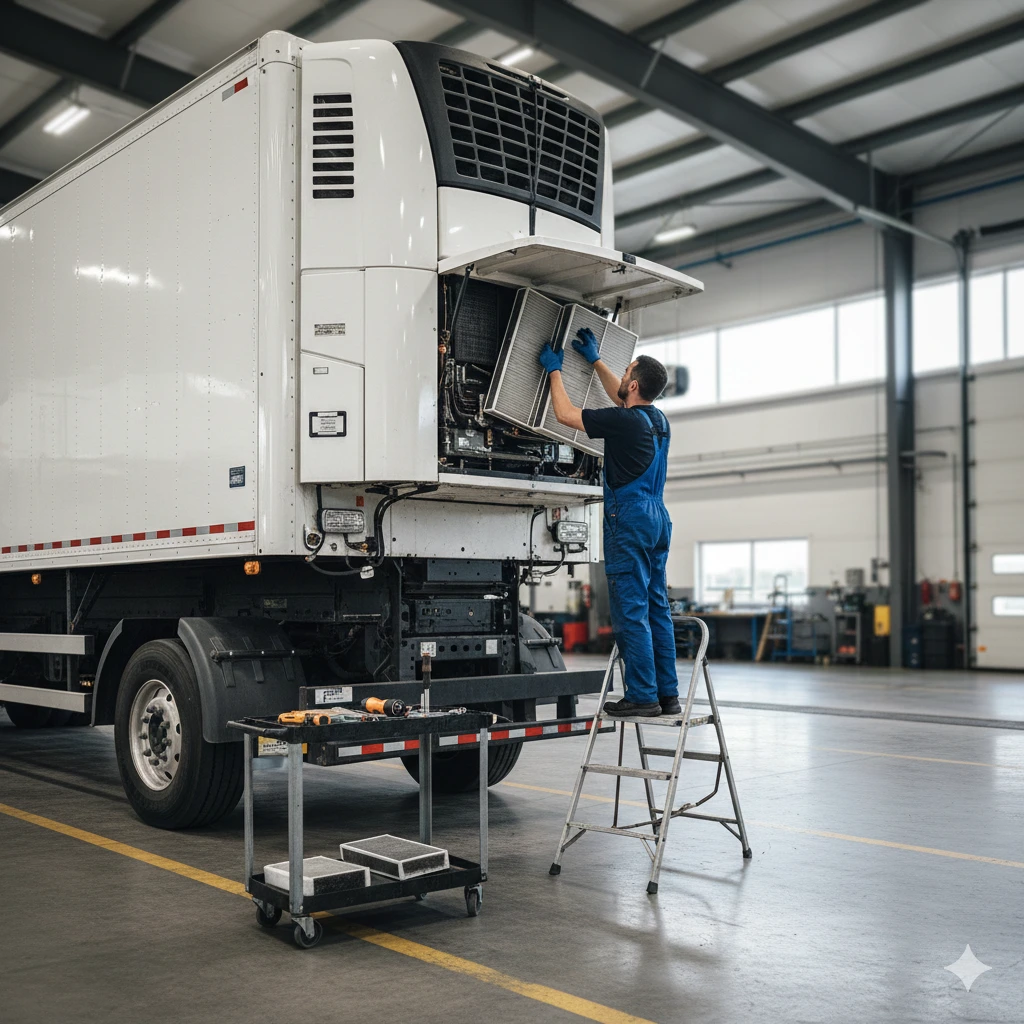
Plan regular inspections of air handlers, compressors, filters, belts, bearings, coils, drain pans, dampers, and electrical components. Seek out loose lugs, hot spots, corroded terminals, and frayed wires. Check controls, sensors, and actuators. Swap out filters every 30 to 90 days to maintain consistent airflow and air quality.
Use a simple checklist so teams do not miss steps:
- Power supply, contactors, and relays
- Motor amps, vibration, and alignment
- Coil condition and fin straightness
- Refrigerant sight glass and oil level (if used)
- Drainage, traps, and pump operation
- Damper travel and seal condition
- Filter size, fit, and date code
Early discoveries save cash. A small refrigerant leak comes in the form of low superheat, iced lines, or poor cooling. Recharge and repair before your compressor runs hot. Blocked coils increase head pressure and kWh. Cleaning fins recovers capacity. Catch bearing noise before it seizes and breaks a belt that stops an air handler.
Use run hours, dust load, and maker recommendations to determine inspection frequency. Harsh sites or 24/7 plants require tighter cycles than light-duty offices. Take advantage of handheld thermal cameras and vibration pens for fast, repeatable readings.
Seasonal Tune-Ups
Good proactive maintenance means getting systems ready for heat and humidity shifts. Spring service for cooling and fall for heating is a minimum of twice a year for commercial sites. This cadence promotes variability and ease in the smell.
A proactive maintenance plan includes inspecting condensing units, thermostats, and ventilation paths prior to peak seasons. Clean outdoor coils, remove debris, and inspect fan blades. Calibrate thermostats and test economizers so free cooling works when outdoor air permits.
Clean evaporator and condenser coils, confirm refrigerant levels and leak integrity, calibrate controls. Check sensors, safeties, and setpoints. Balance air flow and verify damper schedules.
Develop a seasonal calendar that correlates your assets, dates, spare parts, and crew roles. Record readings each visit to catch drift and adjust next year’s schedule. Periodic proactive work keeps the output steady and the life extended.
Conclusion
Heavy-duty HVAC works long hours, in heat and cold, with heavy loads. Little slips become big hits quickly. Clear steps help: spot the fault, fix the root cause, log the work, and plan the next check. Apply rough heuristics. Monitor coil temperatures, delta T, and amperage draw. Maintain spares. Set pressure, flow, and volt alerts. Educate the team on lockout and fast check procedures.
TRUE gains show up in uptime, safe air, and lower power consumption. One example is to swap clogged filters before peak heat. Fans use less power. Coils remain clean. Another example is to add a monthly leak check on large chillers. Catch a slow ramp up early.
Require a blueprint or an extra pair of eyes? Contact us to schedule a brief on-site review.
Frequently Asked Questions
What makes heavy-duty HVAC systems different from standard units?
Heavy-duty HVAC tackles higher loads, longer run times and harsher environments. Parts are bigger, tougher and frequently modular. Controls are more fine-tuned for precise monitoring. These systems need expert installation, diagnostics and maintenance to maintain performance amid this constant demand.
How can I quickly diagnose a heavy-duty HVAC failure?
Let’s begin with power, sensors, and filters. Verify alarms in the SCADA panel. Check airflow, refrigerant pressures, and pump. Listen for unusual sounds. Log error codes. If problems persist, shut the unit down to avoid damage and call a certified tech with heavy-duty experience.
What are the hidden costs when a heavy-duty HVAC fails?
Anticipate manufacturing shutdown, product wastage, increased power consumption and overtime rates. Rush fees for parts and temporary cooling or heating rentals compound. Frequent short cycling reduces equipment life, resulting in earlier capital replacement. Data center or pharma down losses can be staggering.
What first-response steps should I take before calling a pro?
Check the power and breakers. Clean intake and discharge. Swap out clogged filters. Verify setpoints and schedules. Reset alarms. Record symptoms, error codes, and any recent changes. If critical alarms repeat, shut down safely and consult a professional heavy-duty HVAC technician.
Why hire a professional for heavy-duty HVAC repairs?
Pros bring certified training and diagnostic tools and OEM access. They get to root causes, not just symptoms. Effective repairs bring your unit back to efficiency, preserve your warranties, and minimize downtime. They offer calibrated commissioning and documentation necessary for compliance and insurance.
How often should I service a heavy-duty HVAC system?
Stick to the factory schedule. As a rule, inspect monthly, perform quarterly checks, and complete a full annual service. Increase frequency for dusty sites, 24/7 operations, or critical facilities. Predictive maintenance with vibration, oil, and thermal analysis reduces failures.
What proactive maintenance delivers the best ROI?
Prioritize coil cleanings, airflow balancing, sensor calibration, lubrication, and leak detection. Change filters based on differential pressure, not time alone. Trend important metrics in your CMMS. Use surge protection and proper water treatment. These measures reduce energy bills and prevent emergency shutdowns.
Not what you were looking for? Browse Coppertop Truck Repair’s top resources for professional diagnostic and repair services.
Heavy Duty Fleet Maintenance Services
Heavy Duty Trailer Service and Repair
You may also find the following resources helpful for additional reference.
Canadian Energy Efficiency Standards