
- Key Takeaways
- The Critical Differences
- Why Truck Tires Fail
- Spotting Early Warnings
- Your Roadside Action Plan
- The Repair vs. Replace Dilemma
- The Unseen Financial Impact
- Conclusion
- Frequently Asked Questions
- What are the key differences between truck tire repair and passenger car tire repair?
- Why do truck tires fail most often?
- How can I spot early warning signs of tire trouble?
- What should I do during a roadside tire emergency?
- When is repair safe, and when should I replace the tire?
- How do I reduce the total cost of truck tire ownership?
- Does retreading affect safety and performance?
Key Takeaways
- Know the difference between a flat and a blowout to select the appropriate response and service. Consider blowouts an emergency and flats as ‘come in ASAP’ for inspection and repair.
- React quickly according to failure speed to safeguard control and security. Inspections and pressure checks should occur before they get a chance to escalate.
- If you experience a blowout, hold the steering wheel firmly and decelerate gradually. Don’t brake suddenly! To teach drivers safe roadside procedures and to equip trucks with warning triangles and basic tools.
- Let sound and feel be the canary in the coal mine of your breakdown prevention efforts. Explore hissing, bangs, vibration, or pulling right away and schedule expert evaluation.
- Avoid the majority of failures with correct inflation, load management, and alignment. Observe manufacturer specs, use TPMS, keep a maintenance record, and you will go a long way toward extending your tire life.
- Determine repair or replacement by evaluating the damage location, severity, and age of the tire. Talk to certified technicians and consider total expenses to minimize downtime and safeguard budgets.
Truck tire repair involves identifying, repairing, or replacing damaged tires on light, medium, or heavy-duty trucks in order to re-establish safe usability. Repairs include punctures, sidewall cuts, blowouts, bead leaks, and tread wear which can be handled with plug-patch combinations, section repairs, or even full replacements. Shops frequently employ torque specs, tread depth checks in millimeters, and road-force tests to maintain handling and load ratings within range. Mobile service minimizes downtime on highways and jobsites, and in-bay service facilitates balance, alignment, and casing checks for retreads. Prices depend on tire size, ply rating, and extent of damage. To aid your planning, the guide below outlines typical problems, repair options, safety inspections, and when to replace versus repair a tire.
The Critical Differences
Flat tires and blowouts are very different in a few key ways: speed, risk, and repair paths. Understanding which one you encounter guides rest stops, store merchandising, and route scheduling.
1. Failure Speed
A flat tire creeps up over minutes or hours. Pressure drips slowly from a nail, bad valve or bead leak, and the rig usually keeps on trucking to a secure stop or truck tire repair store. Weekly checks are important because tires can lose roughly two percent of their air every month, and little losses add up.
A blowout is immediate. The tire releases immediately from heat, overload, or hard impact. You feel a jerk, hear a bang, and the rim can kiss the pavement. Immediate control inputs and a safe escape lane are crucial.
Speed of failure fuels crash risk. It takes only seconds to lash sudden loss on steering and load balance, so the risk of a lane drift or trailer swing increases. Regular inspections, tread checks, and pressure logs will help detect slow leaks before they become sudden.
2. Vehicle Control
Flats typically permit some steering and braking. Stopping distance increases and heat develops in the casing if you continue to drive.
Blowouts can pull the wheel, particularly on steer tires. Grip it and rip it, hold lane and let ‘er fall straight. Steer clear of incisive entries.
Slow down with firm throttle lift, then soft braking. For tractors and trailers, mass and height increase the risk of rollover and jackknife, so distance and patience matter.
3. Audible Warning
A flat could hiss from blowing air or slam down as a mutt chunk slaps the street. It can hum at speed.
Blowouts frequently sound like gunshots. After the bang, there could be thuds from loose tread.
Hear new sounds, increase the intensity and tread the next secure footing. If in doubt, call mobile service.
4. Underlying Cause
Flats are caused by punctures, slow leaks, or valve failures. Many tread punctures under approximately 6 mm can be patched or plugged.
Blowouts connect to under-inflation, overload, harsh curbs, or heat. Replacement is frequent if cords, sidewall, or bead are shredded.
Adhere to load capacities, rotate at every 9,600 to 12,900 kilometers, and conduct weekly inspections on long-haul equipment. Swap at 5 to 7 years, with numerous fleets rotating at 3 to 6.
5. Damage Severity
Flats usually indicate small, low-level tread damage. A plug-patch can get the tire back on the road if it is in the repairable zone.
Blowouts can tear up treads, curve rims or sever air lines. Document damage for warranty or insurance with photos and measurements, including tread depth of at least 3.2 mm on steer and 1.6 mm on drive and trailer. Heat seasons increase risk, so schedule pre-summer replacements.
If damage is deep, replace. Low tread, irregular wear or age beyond service life require new tires. Receive an expert evaluation on location.
Why Truck Tires Fail
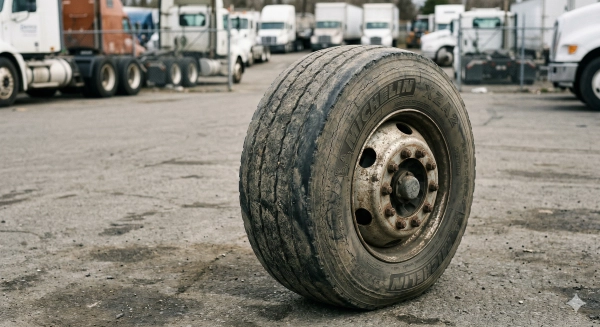
Truck tires haul heavy loads, endure long hours, and run in unpredictable weather. Failures tend to come from fairly predictable causes that regular repair and maintenance keep on top of.
- Underinflation and Overinflation: Underinflation puts the casing in an overdeflected state, building heat and flex fatigue. Over-inflation decreases the contact patch and increases the risk of impact damage.
- Overloading: A single commercial tire may support about 2 metric tons. Exceeding the rated load intensifies heat, deforms belts, and accelerates ply fatigue.
- Misalignment and Suspension Issues: Improper alignment scours shoulders and creates uneven wear. If unchecked, cords weaken and separations ensue.
- Tread Depth and Aging: Tires with low tread fail more easily. Replace at 3.2 mm for safety, even if the legal minimum is about 1.6 mm. Beyond six years, rubber and bonds age out irrespective of tread left.
- Construction and Repairs: Truck tires use layered plies and belts. Deterioration or shoddy patch jobs allow moisture to contact steel, resulting in rust and delaminations.
- Operations and Roads: Potholes, curbs, and debris trigger cuts and impact breaks. Align tire type with climate. Non-winter designs in heavy snow will lose grip and can fail.
- Maintenance gaps can lead to skipped rotations every 8,000 to 12,000 kilometers, missed pressure checks, and late patching, which can turn small issues into costly blowouts.
Common truck tire repair, such as patching, quality plugging, casing inspections, and retreading, lengthens service life and reduces roadside downtime.
Gradual Leaks
Slow nails or screws, cracked valve stems and bead leaks at the rim create constant pressure loss. The tire runs hot, shoulders scrub and the built-up plies flex beyond design, all of which accelerate belt edge fatigue.
Spot early drops with a calibrated gauge and tire pressure monitoring system. A weekly cold check and TPMS alert catch a 0.1 to 0.2 MPa dip before damage spreads.
Immediately schedule patch-and-plug repairs to small punctures in the crown area. Re-seat beads, replace weak valve cores, and clean corroded rims. Rotate on schedule to prevent irregular wear. Why Truck Tires Blow Out Small leaks expand. Repair them before heat, misalignment, and low tread merge into a casing loss.
Sudden Ruptures
Sharp debris, deep potholes, curb strikes, or infrequently a manufacturing defect can split cords and lead to swift air loss. At highway speed, a blowout threatens loss of control and damage to the wheel end.
Mitigate risk by maintaining proper inflation, staying within axle loads, and debris fields in work zones. Avoid thin tread as it is easier to cut.
If it trips, keep the wheel straight, decelerate gently, and pull over safely. Roadside assistance or a mobile truck tire repair service can check casing integrity, swap your tire, and inspect the mate tire, rim, and valve hardware.
Spotting Early Warnings
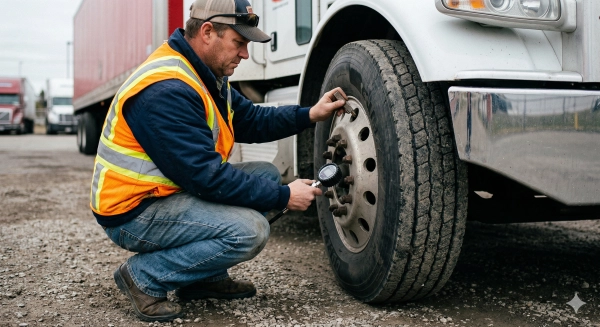
The early warnings appear in the appearance of the tire, in the feel of the truck, and in the instrument readings. Catching them early reduces downtime, prevents blowouts, and keeps repair costs under control.
Visual Cues
Scan each tire tread and sidewall. Look for cracks, bulges, cuts, stone drilling, and nails or screws stuck in grooves. Uneven tread wear across the width indicates misalignment or bad shocks. Spotting early warnings about cupping hints at suspension problems. Feathering indicates toe mistakes. Sidewall bubbles or cuts with exposed cords are indications of imminent failure and should be taken out of service immediately.
Use a tread depth gauge for a fast read across the inner, center, and outer ribs. Change at 2/32 inch (approximately 1.6 millimeters). Most fleets swap earlier for wet grip. A wear bar showing at 4/32 inch indicates less safety and is a compelling reason to change out. If tools are short, the penny test works: place Lincoln’s head down in the groove. If you see the top of his head, tread is 2/32 inch or less and the tire is done.
Log images, depth measurements, and wheel alignments. Be mindful of note cuts, impact marks, and any cord exposure. Book repairs or rotation with a local truck tire repair shop and tag any tire that requires pull and inspect.
Driving Feel
Watch for new shakes, a soft or wandering wheel, or pull to one side. These can be caused by a separating tread, belt shift, or slow leak.
Humming, droning, or a steady thump usually indicates uneven wear or a flat spot. It manifests itself quickly on trailers following extended sits or hard braking. If your steering response drops or your truck feels vague in lane changes, flag it to your fleet manager or service center.
If the feel remains off, book an inspection immediately. Tires approaching the end of their life, generally six to ten years, call for more frequent inspections.
Pressure Alerts
Set up TPMS to monitor pressure in real time and detect slow leaks before temperature rises. About: Recognizing the warning signs. Listen to any low pressure light or sudden drop on the gauge, especially during hard loads or highway speed.
Perform a manual pressure check prior to extended trips. Adapt to the vehicle manufacturer’s specification according to axle load to minimize heat, enhance wear, and conserve fuel. Regular inspections aid in detecting problems in their early stages and ward off catastrophic malfunctions.
- Cracks, bulges, or exposed cords
- Uneven wear, cupping, or feathering
- Tread at 4/32 in bars or 2/32 in fail
- Humming, thumping, pull, or vibration
- TPMS low alerts or slow leaks
Your Roadside Action Plan
Your Roadside Action Plan A smart plan reduces risk, wasted time, and stress when a tire blows. Prepare with tools at hand, driver training, and key numbers saved. Take flats and blowouts in stride with a Roadside Action Plan and back it up with consistent maintenance and a stalling strategy.
Handling a Flat
- Pull off quickly but safely. Strive to reach a broad shoulder, ramp, or rest area. Avoid soft ground. Engage the parking brake. Keep the cab and trailer straight to minimize exposure.
- Turn on hazard lights immediately. Place warning triangles 50 meters behind on normal roads, 100 meters on high-speed roads, and one near the truck’s rear. At night or in low visibility, put on a reflective vest and headlamp.
- Inspect tire face, sidewall and bead. Check for cuts, cords, nails or rim damage. If the tire contains some air and damage is small and central, a temporary plug or patch can allow you to get to a service bay. Never fix significant sidewall cuts or run-flats with shredded cords.
- Ring up a mobile truck tire service. Keep 24/7 numbers organized by route and region, along with your fleet’s policy reminder. GPS location, tire size, load and wheel type share. While you’re waiting, set chocks and road hazards and update dispatch on likely delay.
Carry core gear: calibrated gauge, dual-head inflator, torque wrench, breaker bar, spare valve cores, repair kit, PPE, triangles, high-vis, gloves, first-aid kit you know how to use, and a charged phone power bank. Schedule delays, arrange for alternate driver, load transfer, and hotel sub.
Surviving a Blowout
Grip the wheel tight, keep it straight, don’t slam on the brakes. Let off the gas. Let the truck crawl in a queue. While most blowouts stem from low pressure or worn tread, your steady checks keep you out of harm’s way.
Pull to a safe stop with hazards on. Get off the live lane if you’re able. On duals, tire tread can wrap around lines. Listen for leaks and hissing. Don’t crawl too far on a destroyed tire; it can ruin the rim and brake parts.
Get out only when traffic is clear and you are off the flow. Stand upstream from traffic, behind guardrails if possible.
Call professional assistance immediately. Distribute tire position (drive axle, inner dual, left), wheel-end heat, and any brake drag. Keep a maintenance mindset: scheduled checks on tire pressure, brakes, crankcase filters, and DPF cleaning cut risk and cost. Your Roadside Action Plan A steady plan based on manufacturer intervals and everyday usage does wonders to keep trucks in shape and avoid roadside incidents.
The Repair vs. Replace Dilemma
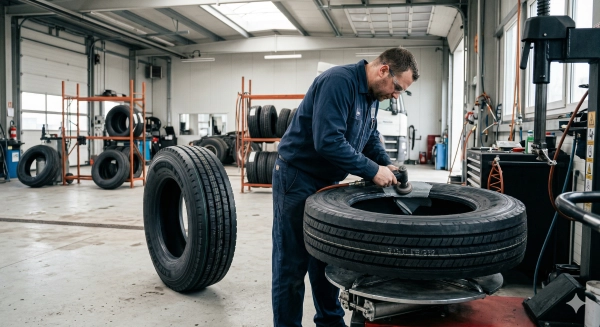
Try to determine that by considering the location of the damage, its size, and the tire’s history. Reference the tire maker’s repair limits and safety guidelines. Then consider tread depth, age, and any previous repairs. When in doubt, have a trained tire tech take a peek inside and out.
When to Repair
Small tread area punctures are the major repair incidents. If the hole is smaller than 6 mm (1/4-inch) and is off the shoulder, most truck tires can be repaired. Even a ‘proper’ repair can save $75 to $350 versus a new tire and keep a casing with thousands of kilometers left in service.
Install an approved plug-patch combo from the inside. This work should last 30 to 45 minutes and incorporate a complete inside inspection for splits, hot spots, or cord breaks that are simple to overlook from the outside. Specialist staff adhere to manufacturer guidelines and maintain the tire’s speed and load ratings.
Forget repairing sidewall cuts, shoulder gashes or penetrations that exceed size restrictions. If you drove more than 1 to 2 kilometers on a flat, the sidewalls may be crushed and unsafe to reuse.
When to Replace
Flat tires with blowouts, sidewall damage or tread separation. These problems indicate structural damage that a patch cannot repair.
With tires, toss ’em at or below 1.6 mm (2/32”) tread, or if you observe dry rot, bulges after impact with debris or exposed cords. If a puncture is larger than 6 mm, or you ran the tire flat a little too far, then replacement is safer. The repair versus replace dilemma involves sticking to the vehicle maker’s rotation and replacement directions, and keeping new tires within the 3% tire rule for overall diameter to safeguard handling, gearing, and ABS. Multiple previous repairs, patches in close proximity, or previous bead damage all sway the decision to replace.
Quick fix sealants can get you hobbling for a few miles, but they potentially wreck TPMS sensors and can clog up a thorough permanent fix down the line.
Cost-Benefit Analysis
| Option | Typical direct cost | Time off-road | Added value | Risks/notes |
|---|---|---|---|---|
| Professional repair | Low; saves $75–$350 | 30–45 min | Extends life, keeps casing eligible for retread | Only for small tread punctures; needs internal check |
| Replacement tire | High upfront | 1–3 hours | New warranty, full tread, reset risk | Higher capital cost; match within 3% diameter |
While timely repairs avoid casing dropping and postpone new purchases, each rework increases failure likelihood and production downtime. Factor in mount and balance fees, disposal, warranty conditions, fuel cost from mismatched sizes and the cost of that roadside call-out when you’re weighing your options.
The Unseen Financial Impact
Tire repair decisions define operating expenses, service quality, and fleet residual value. Failures mess up budgets with lost time, fuel drag, and risk exposure that way eclipse the cost of one tire.
Downtime Costs
Late trucks lose revenue per hour per route. About the unseen financial impact, a regional haul skipped two slots in a day can wipe out a week’s margin on that lane. A 100-truck fleet shelling out $4,500 per vehicle every year already has a $450,000 tire bill. Delays compound that with late fees and lost loads.
Idle labor multiplies the blow. Drivers sit at the shoulder or a shop, dispatchers rebook freight, and warehouse teams hold docks. Those billable hours do not generate any kilometers, but they still count against payroll and utilization goals.
Overnight delivery to make good on promises adds bonuses. Replacement cars run more expensive daily than scheduled holdings. If you skip rotation, anticipate a 25% shorter life and annual losses of $75,000 to $100,000 per 100 trucks. Proactive checks, set inflation targets, and mobile response cut standstill time and keep promised delivery windows intact.
Cascade Failures
It can bend a rim, stress hubs, and knock suspension out of spec. Over 100,000 miles, tires experience approximately 132 miles of lateral scrub. One $500+ steer tire can die half its life if toe is off. Even 1/16-inch of toe drag rips a tire 2.1 m (7 ft) per mile, creating heat, wear, and fuel burn.
Accidents, cargo and roadside debris dangers increase with underinflated or mismatched tires. That opens up to damage claim, DR repair and increased CSA risk. Miss little signals—cupping, shoulder wear, slow leaks—and issues cascade.
With basic tread mapping and inflation logs, regular inspections catch early wear. Good casings, matched pairs and aligned verified minimize secondary damage and safeguard uptime.
Insurance Premiums
Regular blowouts force premiums higher every year when loss ratios increase. Underinflation contributes to fuel waste. The U.S. DOT associates it with approximately 18.9 million liters (5 million gallons) of daily waste across the country, a preventable indicator of inadequate maintenance.
Maintain comprehensive service documentation—pressure, repairs, rotations, retreads—to support claims and protect liability. Display a tire program as asset management, not consumable spend. Fleets that do reduce total tire expense by 25 to 40 percent have leverage in negotiations. Check coverage for roadside assistance, cargo, and downtime and align limits to actual tire failure situations.
- Reduce overall tire cost by twenty-five to forty percent with asset-centric programs.
- Rotate Life to prevent a yearly loss of $75,000 to $100,000.
- Reduce fuel spend by fixing inflation and alignment errors
- Slash emergency premiums with right sized inventory and mobile service.
- Improve safety scores, control claims, and stabilize insurance rates
Conclusion
To conclude, truck tire repair is not haphazard. It just goes on good checks, quick calls, and intelligent truck tire repair. Every little step reduces significant risk. Prescribe load limits. Track heat. Log-type tread wear. Reverse valves. Verify torque. Maintain a rudimentary kit on the rig. A driver in summer heat sets a 2-hour pressure check and catches a slow leak in time to prevent it from shredding a sidewall at 90 km/hr. A different crew tags every tire by axle in a communal app and slashes blowouts in half in 3 months.
Need a next action? Set a simple plan: one checklist, one pressure rule, one service partner, one cost log. Need a hand? Contact us, leave your routes and weights, and receive a defined repair plan now.
Frequently Asked Questions
What are the key differences between truck tire repair and passenger car tire repair?
Truck tires contend with heavier loads and elevated heat. They need reinforced materials, special torque specifications, and industrial grade equipment. Inspections meet fleet standards, including casing inspection for retreadability. Repairs must be in accordance with commercial vehicle regulations.
Why do truck tires fail most often?
Typical reasons are underinflation, overloading, heat buildup, road hazards and incorrect repairs. Misalignment and worn suspension speed up wear. Routine pressure checks, load management and scheduled inspections minimize defects and extend tire longevity.
How can I spot early warning signs of tire trouble?
Look out for uneven tread wear, sidewall bulges, cuts, embedded objects, and vibration. Track air pressure and temperature. Check with a tread depth gauge and visually inspect prior to each trip. Early detection keeps trucks off the road and out of the garage.
What should I do during a roadside tire emergency?
Pull over safely, flashers on, warning triangles. Don’t drive on a flat. Inspect the spare and tools. Dial a 24/7 commercial tire service with your tire size and location. Photograph damage for fleet records and warranty claims.
When is repair safe, and when should I replace the tire?
Fix punctures exclusively in the tread, most often below 6 mm, with a plug-patch from the interior. Sidewall damage, large or irregular shaped holes, exposed cords, or heat damage is cause to replace tires. Follow maker and industry guidelines for safety.
How do I reduce the total cost of truck tire ownership?
Keep proper pressure, rotate on schedule, align axles and balance wheels. Specify the right tire for route and load. Address problems and retread authorized casing. Monitor performance to time purchases and service.
Does retreading affect safety and performance?
Good retreads on approved casings work just fine by certified shops. They’re up to industry specs and can equal new-tire mileage on the right routes. Only proper casing inspections, maintenance, and correct inflation can offer safety and value.
Looking for something else? Browse Coppertop Truck Repair’s full range of commercial truck repair and inspection resources.
Commercial Vehicle Inspection CVIP
For additional information, you may refer to the following resources:
Commercial Vehicle Inspection Defined