
- Key Takeaways
- Understanding Your Truck’s Transmission
- 6 Signs of Transmission Failure
- Why Transmissions Actually Fail
- The High Cost of Delay
- What You Can Check Yourself
- When to Call a Professional
- Conclusion
- Frequently Asked Questions
- What are the early signs my truck’s transmission is failing?
- Can I drive with a slipping transmission?
- How much does truck transmission repair typically cost?
- What can I check myself before calling a mechanic?
- Why do transmissions fail in trucks?
- How often should I service my truck’s transmission?
- When is it time to call a professional?
Key Takeaways
- Understand how transmissions operate to control torque and speed with different loads for secure, energy-efficient trucking. Prevent premature wear with regular inspections and fluid service across heavy-duty and light trucks.
- Be on the lookout for early signs of failure, such as gear slippage, shifting delays, strange noises, fluid leaks, burning odor, and warning lights. Operate fast with diagnostics to prevent larger fixes and unexpected downtime.
- Select the appropriate transmission for the work, matching manual systems to heavy hauling and automatics to frequent urban stops. Match maintenance to your transmission type with clutch service for manuals and fluid service for automatics.
- Control heat and contamination to prolong service life with quality fluid, cool verification, and fluid replacement at recommended intervals. Perform heavier maintenance for hard duty, rough roads, or frequent towing.
- Save on costly repairs and potential safety hazards by nipping small problems before they infect the clutch, driveline, or differential. Keep a repair and downtime log to increase fleet reliability and budgeting.
- Do basic self checks on fluid level and color, response time and visible leaks, then call a professional. Go to transmission experts if the problem lingers to defend warranties and enhance long term dependability.
Truck transmission repair involves diagnosing, repairing, or replacing components that assist in changing gears and transferring power from the engine to the wheels. It ranges from fluid checks and filter swaps to seal fixes, clutch pack service, sensor tests, and complete rebuilds when wear is significant. Signs typically involve hard shifts, gear slip, delayed engagement, grinding, or fluid leaks beneath the chassis. Typical causes include everything from low ATF, heat from towing heavy loads, incorrect fluid, and worn solenoids in newer automatic units. Costs differ by problem, make, and whether the transmission is manual, automatic, or automated manual. To schedule repair with less hazard, the following segments outline symptoms, stages, components, timelines, and reasonable price brackets.
Understanding Your Truck’s Transmission
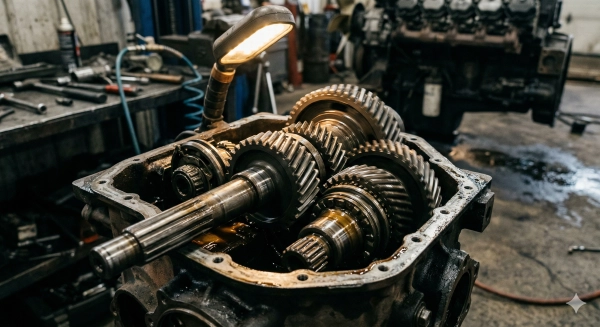
Transmissions convert engine torque to usable wheel torque. They correspondingly match torque and speed to load, grade, and road speed, so your truck starts smooth, pulls hard, and cruises with less fuel. Maintenance and repair are important for all fleets because transmission problems are prevalent and expensive, and they accumulate over time. With proper maintenance, a unit can operate for 200,000 to 300,000 kilometers or more and hundreds of thousands of miles. Symptoms such as red or dark fluid underneath the truck, a burning smell, overheating, or early gear slipping demand immediate inspections. Heavy-duty units handle four areas: power change, gear shift, control and efficiency, and safe tow and haul. Trucks require service tailored to duty class, from light pickups to multi-axle rigs.
The Core Function
A transmission selects gear ratios that exchange engine RPM for wheel torque. Low gears provide high torque for starts, grades, and heavy loads. Higher gears cut engine RPM at cruise. This equilibrium conserves fuel, maintains temperatures, and safeguards components.
The clutch (manual) connects the rotating engine to the gearbox, while the drivetrain, which includes shafts, differential, and axles, delivers torque to the wheels. These components must harmonize to prevent shock loads that result in cracks, worn splines, or prematurely failed bearings.
Fluid does three jobs: lube, cool, and clean. New fluid maintains a stable film on teeth and bearings, dissipates heat, and suspends wear particles. Low level or wrong spec fluid shatters that film and accelerates wear.
Important components are gears and synchronizers for smooth shifts, input and output shafts, bearings that maintain alignment under load, and shift forks and rails that position the gears.
For manuals, the clutch’s role:
- Engage/disengage power flow.
- Allow smooth starts without stall.
- Absorb shock during shifts.
- Protect the gearbox from overload.
Manual vs. Automatic
| Type | Features | Advantages | Maintenance |
|---|---|---|---|
| Manual | Driver selects gears; clutch pedal | Direct control; robust under heavy loads | Clutch, release bearing, gear oil intervals |
| Automatic | Torque converter; valve body or mechatronics | Easy in traffic; consistent shifts | ATF changes, filter, cooler service |
Manual strengths for heavy haul include fine gear control on grades, engine braking, and simpler repair paths. Automatics suit city routes with quick shifts, less fatigue, and a better stop-go pace.
Manuals require clutch repair, linkage checks, and gear oil by spec. Automatics require ATF replacement, thermal inspections, and leak repairs at cooler lines.
Select by duty cycle, gross combined weight rating, route profile and driver ability.
6 Signs of Transmission Failure
Early detection minimizes downtime and safeguards expensive driveline components. Use this checklist to catch trouble in duty trucks and commercial fleets, then move quickly to prevent repairs that can cost between $6,000 and $12,000 for a complete rebuild. Preventive service every 50,000 to 80,000 kilometers, with fluid and filter changes, reduces that risk.
1. Gear Slippage
Gear slip manifests as a sudden loss of pull, free revs, or an unexpected shift. It can occur in manual or automatic units and it deteriorates under load.
Low or burnt fluid, worn clutch discs, or valve body faults often lurk behind it. If the truck pops out of gear or won’t stay engaged, pull over and check. Drive on and you can destroy the driveshaft, differential, and converter, extending costs and repair time from hours to days.
2. Shifting Delays
Slow or harsh engagement indicates internal wear, sticky solenoids or hydraulic pressure loss. You’ll notice it the most when towing, on grades, or while merging on the highway.
Monitor the lag from hitting Drive to initial movement, or second to third under light throttle. Even a one to two second delay is suspicious. Timely repair gets smooth torque flowing again and prevents unexpected stops that throw routes out of whack.
3. Strange Noises
Grinding, whining, or clunks suggest failing bearings, gear wear or pump problems. Pay attention if the noise increases with velocity, is present only on upshifts or transforms when the clutch is depressed on a manual truck.
Hear on level roads and inclines. About 6 Signs of Transmission Failure. If noise grows under load, get diagnostics. Leave it alone and you’re inviting metal shavings, heat build-up, and a complete overhaul or replacement.
4. Leaking Fluid
Fluid on the ground is definitely one of the easiest faults to identify and one of the most common signs of trouble. Check for red to brown spots beneath the pan, cooler lines or bellhousing.
Low fluid causes heat, bad lube and fast wear. Check levels twice: cold and at operating temperature per the manual. Don’t wait—seal, gasket or pan fixes now avoid cascading failure.
5. Burning Odor

Driving on burnt oil distributes damage. Book an oil and filter change and a complete diagnostic scan and pressure test.
6. Warning Lights
Dashboard transmission or check engine lights are first-line indicators. Onboard systems record trouble codes that indicate problems prior to hard failure.
Don’t ignore a lit icon. Note when it shows up, the equipment, pace and burden. A local tech can read codes and verify the cause. Lights can indicate small or big problems, so quick inspections safeguard uptime.
Why Transmissions Actually Fail
The majority of truck transmission failures can be attributed to heat, poor lubrication, contamination or unchecked wear. Heavy loads, rugged routes and skipped service windows increase risk. Yearly checkups and occasional fluid service catch little problems before they become big and keep repair bills out of the $6,000 to $12,000 rebuild zone.
Heat and Friction
Heat accelerates wear in clutches, bands, and bearings. Long hauls with steep grades, repeated towing, or slow climbs get sump temperatures up quickly, especially in hot climates or when overweight. As soon as temperatures soar, oxidation thickens the oil and friction increases.
Low fluid, weak coolers or restricted airflow makes it worse. It’s a little leak at a cooler line, gasket or seal that drops level, invites slip and breeds more heat. That cycle destroys friction material, pits gears and bakes seals.
Use the proper spec, high-performance fluid designed for heavy torque loads. Maintain levels right, check cooler wellness and install an auxiliary cooler if duty dictates. When trucks run hot, shift strategy and speed must change to keep temperatures in check.
Repeated overheating is additive. Anticipate clutch glazing, warped steels, varnish on valves, and metal fines in the pan after standard heat cycles.
Fluid Contamination
Dirty or watered-down fluid can’t protect parts. Abrasive debris slices bushings and bearings. Moisture feeds rust and internal corrosion. Gear oil contamination of any type destroys the integrity of the lubricant film.
Verify color, odor, and transparency at pre-trip and service. Dark, burnt, or milky fluid spells danger. A metal glint suggests interior abrasion.
Flush and replace at maker intervals, typically every 50,000 to 80,000 kilometers for severe service, with a new filter and pan gasket. Lab tests help by looking at viscosity, oxidation, and contamination levels to spot wear early.
Contaminants ruin seals, synchronizers, pumps, and valve bodies. Once seals harden, leaks grow and heat returns.
Operational Stress
Stop-and-go routes, frequent grade starts and heavy hauling add to the stress on the torque path. Rough roads hammer mounts and housings and impart additional shock.
Heavy duty truck transmission repair arises frequently after punishing service, such as mining, forestry, and construction, where dust, heat, and shock pile up. Look out for flare shifts, late hold, or static.
Strengthen inspections for fleets in rough locations. Tune service by use, not calendar. Reduce fluid intervals, test oil, and inspect coolers and lines for leaks.
The High Cost of Delay
The high price of postponement When you put off truck transmission repair, you increase the risk of more extensive damage, greater cost, and unnecessary downtime. Minor breakdowns snowball into catastrophic failures that take trucks out of service and put a sting on budgets, particularly for fleets already impacted by long replacement cycles and market volatility.
- Straight repair bills jump as parts wear and break one after another.
- Labor hours increase as quick solutions morph into full blown tear-downs.
- Component prices are up between 20 percent and 30 percent and higher in some cases.
- Downtime costs compound as the average breakdown now requires twenty hours to fix.
- Missed deliveries lead to penalty fees and lost contracts
- Fuel waste intensifies when transmissions slip or hunt gears.
- Insurance and compliance risks escalate following safety incidents or citations.
Compounding Damage
A feeble transmission doesn’t die a solitary death. Heat, metal debris and shock loads course through the powertrain, scarring the clutch, drive line, U-joints and differential. A leaking seal can starve bearings. Worn synchronizers can chip gear teeth, and both skid wear quickly under load.
Small gear pitting, unattended, can cause lash and vibration through to hubs and axle spindles. Shops then find collateral repairs: cracked yokes, scored carrier bearings, and warped flywheels. What started as a valve body problem suddenly turns into a rebuild case.
Once grit is in the oil, the chances of a full rebuild spike. Timely diagnosis, including fluid analysis, shift test, and scan, can halt the chain, preserve core components’ reusability, and safeguard the entire powertrain.
Safety Risks
Glitches shifting in highway cruise or on steep grades trim torque when you need it most. Gear slip, delayed upshifts, or harsh downshifts can upset the truck, increase stopping distance, and startle trailing vehicles. That increases accident risk and liability.
Fixing in pursuit of predictable gear hold, smooth engagement and proper lock-up again to commercial standards keeps drivers safe. Maintain a line open with technicians, ask for a safety-critical items checklist on every work order and confirm post-repair road tests.
Operational Downtime
Unscheduled breakdowns stall loads, upset routes and undermine confidence. Average time to fix a breakdown is now 20 hours, compared to 15.8 hours last year, compounding the loss of revenue per incident. With delayed replacements amid supply disruptions adding fuel to the fire, fleets that waited are now experiencing even higher costs, as parts queues and labor shortages continue.
Unit track repairs and downtime. If maintenance costs increased by more than 20% over those two years, or assets running beyond five years had approximately 10% annual cost creep and approximately 49% increased lifetime spend, replace. For units seven years or older, or 15% or more year-over-year maintenance spikes, consider replacement urgent. Supply shortages still linger, so maintenance on a hard schedule cuts down on surprises. Putting off truck replacement fuels extended breakdowns, increases costs, and reduces efficiency, striking the bottom line.
What You Can Check Yourself
These basic checks help flag issues early and direct clear conversations with a shop. Follow these steps to identify typical issues, record what you observe, and schedule follow-up. Maintain an easy checklist, perform these checks at regular intervals, and record dates, kilometers, and conditions. Caught early, these signs usually prevent major repairs and keep shifts smooth.
- Park on level ground, set the brake, chock wheels.
- Warm the engine to normal temperature. Verify that the idle is constant.
- Check fluid level and color; note smells and debris.
- Scan for leaks under the truck: pan, cooler lines, radiator tank.
- Hear whine, grind, or clunk in Park, Drive, Reverse.
- Test response time low speed moves light throttle
- Verify the dash has no transmission or temperature warnings.
- Record findings with photos and short notes each time.
Fluid Level
Check level with the engine running, at operating temperature and on level ground. Check the transmission dipstick if equipped. Wipe, reinsert, and then read the “HOT” marks. Some newer units don’t have dipsticks and need a service port. If so, don’t open, schedule a shop check.
No fluid or low fluid usually indicates a leak at seals, lines, or the cooler. It can indicate consumption from worn internals. Either way, move quickly to stifle slip and heat accumulation.
Top up only with the maker’s approved fluid for your model (e.g., ATF type in manual). Mixes can lead to clutch slip or valve body problems. Put in little increments, recheck, and don’t stuff.
Record the date, odometer in km, number of litres added, and brand. Patterns assist technicians in identifying root causes.
Fluid Color
Good moisture is scarlet or pink and distilled free of grit. It ought to have a faint, fresh scent.
Brown, dark, or burnt smell indicates heat, oxidation, or clutch wear. Metal flakes or foam indicate internal damage or aeration.
If the color is off, schedule a fluid and filter change now to safeguard gears and clutches. Skip load hard until serviced.
Keep a laminated color chart in the cab for quick checks and compare under good light.
Response Time
Pay attention to the lag between engaging Drive or Reverse and hitting the gas. Count seconds at idle on flat ground. Common is close to immediate, not more than around one second.
Extended delay may indicate wear, low pump pressure, sticky valves or clutch pack problems. Stumble under light throttle hesitation adds to the worry.
Take a short test drive, 3 to 5 kilometers, mixed low speeds. Note any flare, slip, or shudder on upshifts.
Record times, equipment, back load, incline, and temperature. Share this log with your technician.
When to Call a Professional
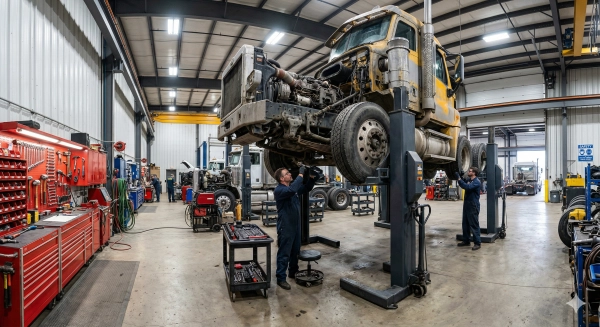
Professional help is reasonable when self-checks don’t rule out a fault or symptoms worsen with use. Trucks operate under significant stress, which means minor transmission problems can escalate into major, expensive breakdowns quickly.
Hard shifting, especially into first or reverse, indicates bad synchros, clutch drag, or a linkage problem. If the lever fights you, grinds, or pops out of gear, schedule a diagnostic. Hard shifts that stick around after a fluid top-up or basic cable inspection indicate deeper wear. Unusual chattering or grinding when you press or release the clutch could be a failed release bearing, warped clutch disc, or input shaft wear. These grinding sounds under load are not normal. Keep at it and you’ll ruin the flywheel and housing.
A slipping transmission requires immediate attention. Signs are high revs with slow road speed, a tachometer flare in upshifts, or loss of pull on a grade with light throttle. Slipping generates heat and can burn clutches in minutes, transforming a repair into a full rebuild. Fluid problems warrant a trip to the shop. Red or brown puddles beneath the truck, low dipstick fluids, or burnt smells signify leaks, heat, or contamination. Ask for the correct service: level and filter change or a full exchange if the maker allows it. In general, old fluid should be flushed and replaced on time. Don’t skimp — use the proper spec fluid and fresh coolant, as many shops suggest synthetic fluids and new antifreeze to keep temps in check and add longevity.
Trained mechanics employ scan tools, pressure gauges, road tests and tear-down inspections to identify not mask root causes. Newer units require software updates, clutch load data and adaptive resets that at-home tools can’t do. A reliable truck repair shop with heavy-duty transmission expertise is the ticket. Verify training certification, brand support, parts availability and warranty conditions. Search for explicit work orders, images of broken components and straightforward responses regarding expenses and schedules. Good shops discuss repair versus rebuild versus replace, and when a full replacement is wiser, they lay out the steps, parts list and expected downtime.
If you’re unsure about how serious it is, play it safe and call.
Conclusion
Part of a powerful truck is a solid transmission. Clear checkups stave off agony and big bills. Monitor shift feel, fluid color, leaks, unusual noises, and heat. Log dates, parts, and mileage. Little notes save time in the shop. Easy steps yield immediate rewards. Simply check fluid level, metal grit, scan for codes, and clutch slip. Repair minor defects before they expand.
Costs increase quickly with delay. A seal beats a full rebuild later. Steady care keeps loads on time and gear shifts clean.
Want next steps. Set a fluid check this week. Schedule a brief test drive on a level course. If signs align with the list, call a proftech9. Request a written estimate and a test procedure.
Frequently Asked Questions
What are the early signs my truck’s transmission is failing?
Look out for delayed shifting, slipping gear, burning smell, fluid leaks, grinding or clunking noises, and a lit check engine light. Catch issues early to avoid major repairs.
Can I drive with a slipping transmission?
It’s dangerous. Slipping saps power and control and can wreck in a hurry. Don’t let it drive you into a full rebuild. Let a pro diagnose it!
How much does truck transmission repair typically cost?
Depends on the problem, truck, and parts. Small fixes are less. Rebuilds or replacements are more. We will provide a written estimate after full inspection and scan.
What can I check myself before calling a mechanic?
Check transmission fluid level and color, look for leaks under the truck, note any codes from the dash, and listen for new noises. Take note of symptoms and their timing.
Why do transmissions fail in trucks?
Typical culprits are low or dirty fluid, overheating, towing overload, neglected service, worn clutches and faulty solenoids. Regular maintenance forestalls most failures.
How often should I service my truck’s transmission?
Stick to the manufacturer’s schedule. Most trucks require fluid and filter changes every 50,000 to 100,000 kilometers, or sooner if towing or driving in hot or hilly conditions.
When is it time to call a professional?
CALL WHEN YOU SEE LEAKS, BURNING SMELLS, SLIPPING, HARD SHIFTS, OR WARNING LIGHTS. A specialist can scan codes, road test and avoid more expensive damage.
Not were you not looking for? Explore Coppertop Truck Repair’s expert guides on heavy-duty repairs, CVIP inspections, and preventative fleet maintenance.
Commercial Vehicle Inspection CVIP
Looking to learn more about heavy-duty repair systems? Check these resources for your reference.
Government of Alberta – Vehicle Inspection Overview
Vehicle Standards and Safety Requirements for Commercial Vehicle