
- Key Takeaways
- Why CVIP Inspections Fail
- The True Cost of Failure
- Beyond the Obvious Failures
- Create an Inspection-Proof Fleet
- The Future of Vehicle Compliance
- Partnering for Road Readiness
- Conclusion
- Frequently Asked Questions
- Why do most CVIP inspections fail?
- What are the hidden costs of a failed CVIP inspection?
- Which inspection items are often overlooked but cause failure?
- How can I make my fleet “inspection-proof”?
- How often should commercial vehicles be inspected for CVIP compliance?
- What role does technology play in passing CVIP inspections?
- Should I partner with a professional service for CVIP readiness?
Key Takeaways
- CVIP inspection failures are often caused by small things like worn brake components, faulty lights and weak suspension or steering components, not necessarily major mechanical issues. A comprehensive CVIP checklist that covers brakes, tires, electrical, steering and paperwork catches these issues before inspection day.
- Documentation is equally as important as mechanical condition. Missing, expired, or incorrect certificates and records can cause failures even when the vehicle is safe. Maintaining all maintenance logs, inspection reports, decals, and certificates current and readily available minimizes this risk.
- Failed inspections have real costs: fines, unplanned downtime, lost revenue, and potential harm to your safety rating and reputation. Planning preventive maintenance, tracking inspection timelines, and using fleet or maintenance software can help limit disruptions and protect operating authority.
- Operating environment, usage and technician skills heavily dictate failure rates, particularly for high-mileage cars in severe environments. Tuning maintenance intervals, training technicians and recording environmental and usage conditions enable inspections that are more precise and compliant.
- To build an inspection-proof fleet, you need transparent processes for daily driver inspections, pre-CVIP diagnostics and forward-thinking maintenance that exceed CVIP minimums. Responsibility, standard checklists and past CVIP reports help foster a culture of continuous compliance.
- Data-driven tools, like predictive analytics, real-time monitoring, and automated reminders, make staying ahead of wear, failures, and regulatory changes easier. Joining with an experienced CVIP repair and inspection center gives professional assistance for inspections, repairs, and continued compliance.
CVIP inspection failures are when a commercial vehicle does not meet the legal safety standards under the Commercial Vehicle Inspection Program. Typical culprits are worn brakes, damaged lights, steering, fluid leaks, and tire treads below the limit. Several other fleets experience load security issues, frame rust, and a lack of fire extinguishers or reflective triangles. Failed inspections can result in vehicle downtime, fines, repair delays, and even pulled operating permits in extreme cases. To reduce risk, fleets typically monitor maintenance intervals, maintain accurate records, and train drivers to identify issues as early as possible. The following sections summarize common failure reasons and tips to keep you in compliance.
Why CVIP Inspections Fail
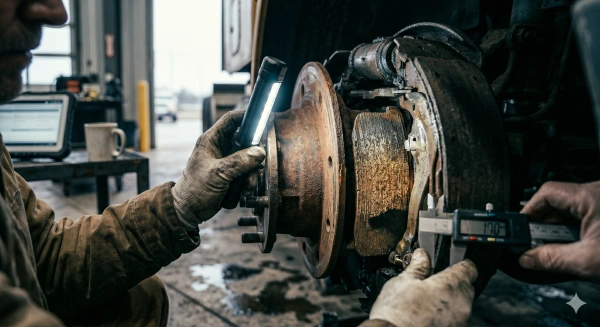
A simple pre-inspection checklist helps catch what usually slips through:
- Brake condition: pads, shoes, drums, rotors, lines, hoses, parking brake hold, air leaks and warning lights.
- Tires and wheels: tread depth, sidewalls, inflation, wheel fasteners, cracks, and fifth-wheel security on tractors.
- Lights and wiring: All exterior lights, reflectors, harnesses, plugs, fuses, and battery connections.
- Suspension and steering: springs, air bags, shocks, bushings, tie rods, kingpins, and steering play.
- Emissions: Diesel Particulate Filter (DPF), Exhaust Gas Recirculation (EGR), visible smoke and active fault codes.
- Paperwork: valid CVIP certificate, decals, repair invoices, and maintenance logs with dates and odometer readings.
When used on a daily basis, this sort of list complements CVIP regulations that already require driver inspections and supports in-house audits so trends and recurring defects become easier to identify.
1. Brake System Neglect
Brakes are one of the top reasons CVIP inspections fail because they tie directly to stopping distance and crash risk. Worn pads, thin linings, heat-cracked drums, corroded lines, weak parking brakes, or low overall brake effectiveness will all score a fail, particularly on heavy units that already require additional space to stop.
A hard brake service schedule based on kilometres, hours, or fuel consumption keeps inspections consistent and assists in aligning with provincial or state safety regulations. A lot of fleets insulate themselves with additional checks prior to winter when corrosion and freezing moisture can assault lines, valves, and slack adjusters.
Having certified mechanics, appropriate brake testers, and lining and drum wear measurements provides written proof that each axle passed within CVIP limits. This is handy when inspectors pull records after a borderline result.
2. Electrical Glitches
Simple electrical glitches account for a surprising number of CVIP fails. Headlights, taillights, blinkers, clearance lamps, or brake lights that don’t work, flicker, or are the wrong color will fail.
Periodic inspections of wiring, fuses and safety equipment like warning triangles and backup alarms help keep these problems in check. Drivers can incorporate a quick “all lights on” check into daily pre-trip inspections and walk around the unit while lights flash.
Well-run shops that record each bulb change and wiring fix provide inspectors with a transparent record, which can assist if a light blows during the visit and requires an immediate repair.
3. Suspension & Steering Wear
Worn suspension parts and loose steering components impact how the vehicle tracks, brakes, and loads its axles. Broken or sagging springs, worn bushings, leaking shocks, cracked hangers, or play in the steering gear can all push a CVIP into the fail column.
Making suspension and steering inspections part of the standard maintenance plan minimizes unexpected downtime. Others use alignment tools or play detectors to identify worn kingpins, tie rods or ball joints that drivers won’t sense until the issue becomes severe.
Any component that rests at or below the minimum threshold in the inspection manual should be replaced, not “monitored,” because a couple thousand more kilometers can shift it from borderline to hazardous.
4. Tire & Wheel Defects
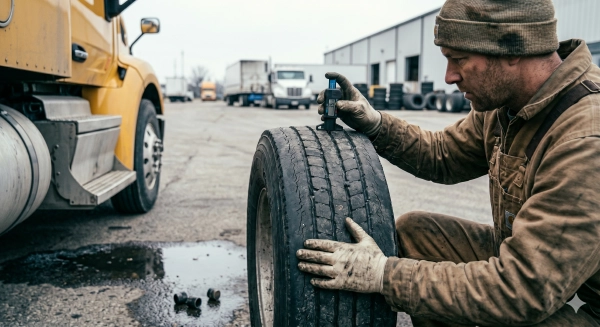
Fleets that integrate tire checks into every service and daily inspection typically encounter fewer surprises because drivers are able to observe tread depth and damage and communicate it prior to steel showing. Recording tire condition on trip sheets and maintaining a log of all replacements and repairs assists during audits or roadside checks.
Wheels and fifth wheels are important too. Cracks, loose nuts, or a fifth wheel not firmly mounted or locking can all fail CVIP on safety grounds.
5. Documentation Discrepancies
CVIP inspections fail on paper. Missing, expired, or mismatched inspection certificates, old decals, and thin maintenance files make one question how the vehicle is run.
A straightforward document checklist—current CVIP forms, insurance, registration, emission test proof, recent repair orders—keeps everything prepared for the inspector or enforcer. Periodic internal file audits assist in identifying trends like the same brake or axle issues prior to the next inspection.
Refreshing CVIP decals and stickers immediately following every valid pass completes the circle and demonstrates the unit’s status at a glance.
The True Cost of Failure
CVIP inspection failures aren’t just paperwork issues. They can prompt fines, downtime, vehicle confiscation, and increased scrutiny from regulators. The hit ripples across your cash flow, safety record, insurance, and long-term faith in your fleet.
Financial Penalties
Non‑compliance with CVIP rules usually begins with direct fines. Operating without a valid CVIP carries fines of approximately $310 to $2,000, depending on the severity of the violation and whether it is a first or subsequent offense. In extreme instances, operators can be penalized up to $20,000, plus potential vehicle impoundment for at least 15 days, which takes that unit out of commission completely.
Fleets can prevent missed or overdue inspections if they track timelines in a straightforward manner. A simple calendar, a shared spreadsheet, or a fleet platform that alerts renewal dates can prevent vehicles from falling out of their inspection window. This is usually less expensive than paying multiple fines or last minute inspection scrambles.
The cost goes beyond the ticket loss. When a truck inspection on the road results in an out-of-service designation, the vehicle is sidelined. One day of unplanned downtime can cost between $800 and $1,500 or more in lost revenue based on freight rates, cargo, and distance. If towing or roadside emergency assistance is required, that can add an additional $500 to $2,000 or more per incident.
Budgeting for regular inspections and consistent preventive work helps even out these costs. Reserving a set amount per vehicle per month helps to amortize costs and reduces the risk of big unexpected post-CVIP repairs.
Operational Gridlock

Maintaining a normal CVIP inspection cycle minimizes these jolts. Many fleets schedule inspections just in advance of when they’re due so that repairs can occur in the yard, not on the side of the road. This keeps more trucks on the road and allows maintenance crews to order parts rather than scrambling to repair defects under time pressure.
Clients and shippers won’t always see the technical cause of a delay. What they observe is a late delivery, a missed pick-up or a broken service-level guarantee. Long-term, recurring spills associated with inspection failures can lose contracts, particularly with customers that transport time-sensitive products like food, medical equipment or very valuable cargo.
Even basic fleet software or telematics can be used to track CVIP dates for all vehicles, with recent findings and upcoming inspections. A low-cost system that indicates which units are near expiry assists managers in rotating trucks through the shop without stalling the entire operation.
Reputational Damage
Repeated CVIP flops can silently erode a company’s reputation with customers, regulators, and the public. When roadside or other audits reveal repeated problems, regulators may designate the fleet as high-risk and inspect more frequently and examine records more thoroughly in subsequent audits. Headlines of non-compliance or avoidable incidents may remain online or in industry trades for years, influencing how partners perceive your business.
With a clean CVIP, that’s a consistent, obvious drive for safety and compliance. It tells passengers and motorists that cars are inspected punctually, faults are repaired, and the business views safety as work to be done every day, not just once. Some fleets broadcast positive inspection results in bid solicitations, annual reports, or safety meetings to provide stakeholders concrete evidence, not just assurances.
Insurance carriers are noticing inspection and crash history. A road accident that could’ve been prevented with better driver training or vehicle maintenance can result in multi-hundred-thousand-dollar settlements. One loss like that can send rates rising for years. Even without a big crash, a history of CVIP failures can cause insurers to hike premiums or squeeze terms, increasing overall operating expenses.
Robust safety and CVIP track record underpin long-term growth. It comes in handy when seeking new licenses, breaking into aggressive markets, or bidding on contracts that rate bidders on safety record and compliance record.
Beyond the Obvious Failures
CVIP failures can generally come from tiny, overlooked items, not just large, obvious defects. Going deeper into where the car is driven and how and who services it provides a more accurate view than a quick pre-inspection wash and an annual once-over.
Usage Patterns
How a car operates on a day to day basis defines its CVIP hazard. High-mileage highway tractors, buses in stop-and-go city traffic, and shuttle vans with non-stop short trips all wear differently. Brakes on city routes get hot and cold hundreds of times a day, whereas long-haul units might exhibit faster steering and suspension wear from heavy loads over long distances. If those patterns remain invisible, small play in steering components, uneven brake pad wear, or premature tire cupping can creep into failure land by the time of inspection.
Maintenance schedules ought to vary by vehicle class, passenger limits and duty cycle, not be attached to a single fixed calendar. A lightly used 24-seat bus might get along fine with regular scheduled intervals, but a full-capacity coach in daily service might require mid-interval brake inspections, more frequent tire rotation, and tighter monitoring of fluid levels such as coolant and brake fluid. Even daily walkarounds and quick weekly inspections catch weird noises, rough handling or premature tire damage before they cause a CVIP fail and unplanned downtime that can cost $800 to $1,500 per day.
Driver habits are important, too. Hard braking, rapid acceleration, and ignoring dashboard lights or defective sensors cause you to visit the mechanic more often and increase the likelihood of failure. Trip sheets that record problems like pulling under braking, vibration at specific speeds or recurring low-oil warnings provide service crews data they can work with, rather than general statements.
Old CVIP reports come in handy here. Patterns, such as repeated warnings over marginal tire tread, faulty wiring lights, or small fluid leaks, indicate where to tighten up daily inspections, get items onto a CVIP checklist, and schedule mock inspections prior to the actual audit.
Environmental Toll
Operating environment is another silent killer of CVIP failures. Vehicles working in extreme heat, torrential rains, snow, road salt, or dusty job sites experience accelerated corrosion of frames, brake lines, wiring, and body mounts. Road debris can crack lamps, damage wiring, or cut into tires, and one missed crack or broken lens leads to inspection failure.
In more severe environments, inspection rate should increase. This could include adding mid-season brake inspections, underbody checks once winter has passed, or monthly inspections of suspension and steering parts on gravel or construction routes. Routine visual inspections that seek rust on structural members, loose mounts, and damaged harnesses catch problems before they become serious structural or electrical issues.
Basic defenses compound. Protective undercoating, regular undercarriage washes to eliminate salt and mud, and rigorous oil, coolant, brake fluid, and transmission fluid inspections minimize wear and sudden breakdowns. Clean, well-maintained tires are important as well since tire condition impacts handling, stopping distance, and fuel consumption. Tread depth, sidewall damage, and air pressure should be checked frequently, not just before CVIP.
Recording environmental details in maintenance logs helps create context for future inspections. Notes like “runs on salted roads October to March” or “daily off-road access to quarry” clarify why some components get replaced more often and fuel preemptive schedules, such as earlier brake line replacement or more frequent light and wiring inspections.
A clean rig body and cab speeds the inspector’s work and improves visibility. Dirt obscures leaks, cracks, and loose parts, resulting in extended inspections and increased attention to borderline items that might otherwise slide through.
Technician Skill Gap
Even with proper usage and environment controls, a technician skill gap can still cause CVIP failures. If techs are not up to date on CVIP standards, they may overlook new requirements on lighting, brake performance, or structural integrity, or they may dismiss stubborn dash lights as trivial when they are inspection-critical. Regular training on up-to-date regulations, inspection protocols, and typical failure points keeps their work in step with what licensed inspectors will really examine.
Teaming with certified CVIP plants can close some of this gap. Having licensed inspectors conduct mock CVIP sessions at your own facilities, or shipping vehicles early for a pre-inspection, helps identify latent compliance problems, such as misrouted brake hoses, borderline wiring fixes, or missing labels, before the actual test. It provides in-house staff with concrete, real cases to experience.
Skills, not assumed. Short, periodic checks like having each tech perform a complete mock CVIP on a sample vehicle then comparing results to a senior inspector’s checklist indicate where they may overlook little things like loose battery clamps, corroded light grounds, or beginning frame rust. These same checks support habits such as documenting all results in a uniform manner.
Having the right tools is as important as knowing. State-of-the-art diagnostic equipment to scan modern computerized systems, transparent OEM service information, and straightforward, easy-to-use CVIP checklists assist mechanics in identifying problems with electrical components, sensors, and fluid condition that could otherwise remain undiagnosed. When weird noises, warning lights, or poor handling are documented and checked out with appropriate equipment, they are less inclined to appear as curveballs during an official CVIP.
Create an Inspection-Proof Fleet
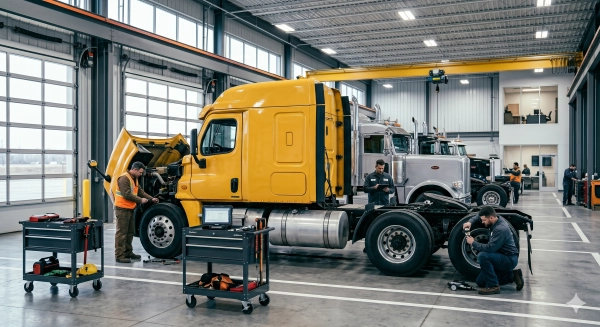
- Set explicit compliance objectives aligned with CVIP criteria for brakes, steering and suspension, lighting and electrical, tires and wheels, coupling devices, body and frame, and all safety systems.
- Implement written procedures for daily yard inspections and monthly checks of brakes, tires, suspension, and fluids on each unit.
- Build inspection checklists into each stage of operations: dispatch, pre-trip, post-trip, and return-to-yard.
- Assign named people (not “the shop”) to inspection readiness: one owner per depot, a lead tech, and a driver champion.
- With fleet software, schedule preventive maintenance at intervals shorter than needed and record all CVIP-related work.
- Conduct quarterly internal inspections of maintenance records to identify recurring defects and documentation lapses.
- Get your drivers and techs trained and refreshed on CVIP expectations, early warning signs and non-compliance costs, including fines that can be as high as around 20,000 and vehicle seizure.
Pre-Inspection Diagnostics
Use diagnostics prior to every scheduled CVIP to look for ABS, engine, emission, and key safety module fault codes. Couple that with a physical inspection and a mock CVIP 2 to 4 weeks prior to the due date, allowing time to order parts and schedule downtime. Routine inspections such as these prevent minor concerns from becoming bigger headaches and eliminate last-minute pressure.
Record all observations, fixes, and test outcomes. Clear records assist the inspector in tracing the path of work, trimming questions, and sometimes even abbreviating the visit. Over time, this history reveals patterns that inform smarter preventive maintenance.
High‑risk components to check before every CVIP include:
- Service and parking brakes, air lines, chambers, and slack adjusters.
- Steering gear, linkages, power steering lines, and pump
- Suspension springs, air bags, mounts, and bushings
- Tires, wheels, rims, and fasteners
- All exterior and marker lights, reflectors, and wiring
- Frame rails, crossmembers, and body mounts
- Couplers, fifth wheels, kingpins, and safety chains
- Emergency equipment and all safety system devices
Proactive Maintenance Schedules
A good preventive maintenance regimen is the foundation of an inspection-proof fleet. Link your service plan with CVIP coverage and include a margin. For instance, if local regulations mandate an annual CVIP, conduct internal inspections monthly and full shop services more frequently than the legal minimum. It’s this regular cadence that keeps the fleet dependable and safeguards public safety.
With fleet management software, you can schedule automatic reminders for oil changes, brake inspections, suspension inspections, and CVIP due dates. Shorter cycles catch wear earlier and lessen the likelihood that a missed daily walkaround or dismissed defect becomes a failure item at the lane. Record every job in the system so you are able to anticipate which units or parts are prone to break, and tweak schedules or specs before the trouble comes back.
A quarterly audit of these records helps you identify if the same fault crops up on a route, a driver group, or a vehicle type. That insight closes the loop between policy and practice.
Empower Your Drivers
- Check lights, signals, and reflectors
- Inspect tires, wheels, and visible suspension parts
- Test service and parking brakes
- Look for leaks under the vehicle
- Confirm mirrors, windshield, and wipers are clear and working
- Check coupling devices and safety chains where used
- Verify emergency equipment and safety devices
Drivers are your front line. A walkaround done well can discover loose wheel nuts, air leaks, broken lights, or fluid drips long before they lead to a CVIP failure or roadside stop. When drivers log issues immediately upon observing them, repairs get done more quickly and equipment arrives at inspection in better condition.
Give drivers simple guidance on warning signs: changes in brake feel, pulls in the steering, new vibrations, unusual tire wear, dim or flickering lamps, or any new noise from the suspension. Have them maintain detailed records of every pre-trip and post-trip check. Those logs support your compliance narrative if regulators audit your procedure subsequently.
The Future of Vehicle Compliance
Toward data-driven control, tighter rules, and closer links between safety, maintenance, and operations, the future of vehicle compliance. For fleets that are currently battling CVIP inspection failures, the next few years will probably mean more sensors, more data, and less margin for error.
Predictive Analytics
Predictive analytics leverages historical and real-time vehicle data to raise an alert in advance of CVIP failures. Rather than relying on a brake imbalance or worn steering component to appear during an inspection, fleets can predict failure risk from fault codes, fluid analysis, mileage, and driver reports. This sort of early warning becomes more important as safety and environmental regulations become more severe and penalties and out-of-service orders pack a greater punch.
To pull this off, fleets require consistent data flows. That can include odometer readings, engine and transmission fault logs, fuel consumption, tire pressure, idle time, and after-treatment system status. When this data is stored and reviewed over months, patterns show up. Specific models fail emissions tests after a certain distance, or units based in colder regions see more suspension wear. These trends then help dictate maintenance plans and training.
A simple model many fleets start with looks like this:
| Vehicle Group | Common CVIP Defect | Avg. Days to Repair | Repeat Rate (%) |
|---|---|---|---|
| Tractors | Brake lining wear | 3 | 18 |
| Trailers | Lighting / wiring faults | 2 | 26 |
| Straight trucks | Exhaust / emissions | 4 | 12 |
| Buses | Steering / linkage play | 5 | 9 |
Connecting predictive tools with maintenance scheduling completes the loop. Work orders can auto-trigger when risk scores cross a threshold or when sensor data indicates imminent failure before the next CVIP date. Combine this with driver and technician mobile apps to keep records thorough and inspection-ready while minimizing unexpected downtime.
Evolving Regulations
Cvip rules, provincial safety standards, and national safety code requirements are not stagnant and are likely to become more stringent on emissions, active safety systems, and even cybersecurity. Fleets in Alberta and BC already view this in the constant stream of Alberta Transportation advisories and BC CVSE bulletins, while comparable developments are taking shape elsewhere around the globe.
Internal documents must catch up. That’s shop procedures, digital inspection forms, and driver pre-trip checklists. A living record might look like this:
| Document / Tool | Last Update | Change Driver |
|---|---|---|
| CVIP pre‑inspection checklist | 2025‑02‑10 | New brake performance thresholds |
| Emissions testing SOP | 2025‑03‑05 | Added stricter idle standards |
| Autonomous test vehicle SOP | 2025‑04‑18 | New rules for sensor diagnostics |
| Cybersecurity policy | 2025‑01‑30 | Added telematics access controls |
As autonomous and semi-autonomous vehicles make their way into fleets, new standards around testing, deployment, and maintenance will sit alongside traditional mechanical checks. Ongoing monitoring and reporting in real-time via onboard units, telematics, and mobile apps will probably become the basis of proof for compliance, bringing together vehicle health, safety, and environmental data in a single platform. Long-term support from compliance staff, outside advisors, and technology partners will be critical so fleets can pivot rapidly, steer clear of CVIP flunk outs, and keep vehicles road-ready as benchmarks increase.
Partnering for Road Readiness
Teaming up with the right CVIP shop is one of the most immediate ways to reduce inspection failures and unexpected downtime. For Alberta commercial operators, where nearly every commercial vehicle requires an annual CVIP inspection, a good inspection partner can be the link between tough regulations on paper and safe trucks in the field.
Coppertop Truck Repair is a down-to-earth CVIP partner for fleets that demand transparent solutions and reliable assistance, not speculation. A qualified crew that partners with business units daily understands how Alberta’s safety criteria translates to real-world situations. This means they go beyond simply ‘tick boxes’. They cover the same brake systems, suspension parts, tires, lighting, frame, powertrain, and emissions components an inspector will focus on, so there are fewer surprises when it comes time for the official CVIP. These types of shops can flag damage from local influences, such as Edmonton road salt that eats into frames, and recommend undercoating or rust repair before it jeopardizes roadworthiness.
Working with seasoned CVIP locations and certified mechanics assists in linking inspections to broader maintenance. Rather than viewing the CVIP as an annual obstacle, a quality shop considers it a health check-up that integrates into a plan. They can schedule between-inspection checks, so worn brake pads, cracked leaf springs, or uneven tire wear get caught early. This type of consistent oversight reduces the likelihood of a breakdown, minimizes the threat of significant repair costs, and contributes to keeping trucks on the road so that the job keeps getting done.
Preventative maintenance facilities provide an additional layer of support. When a fleet employs one trusted partner for inspections, repair, and return visits, it’s a lot easier to keep ahead. Problems that might result in accidents, fines, or grounding orders are now more likely to be repaired when they’re still minor. A well-maintained truck or bus is far more likely to pass a CVIP, steer clear of expensive breakdowns, and keep routes on schedule.
Conclusion
Cvip inspection fails bang up more than a score sheet. They drag work, eat into margin, and can damage confidence with customers and employees. A truck parked in a yard with a red tag doesn’t transport freight or generate revenue.
Fleet teams that consider cvip a once-a-year task are problem chasers. Teams that bake daily checks, explicit rules, and simple tools into the work day tend to stay ahead. For instance, a brief brake check conducted at every fuel stop can detect a minor air leak well before an officer or inspector would.
To help keep your trucks on the road and off the fail list, take this one small step today. Choose a single vulnerability you spotted here and address it initially. Then build from there.
Frequently Asked Questions
Why do most CVIP inspections fail?
Most CVIP inspections fail because of bad maintenance, missed inspections, and incomplete records. Typical issues include worn brakes, tires, lighting defects, and fluid leaks. Routine preventative maintenance and a documented service history significantly minimize the chance of failure.
What are the hidden costs of a failed CVIP inspection?
A failed CVIP results in unexpected downtime, repair rush fees, towing, lost contracts, and increased insurance risks. Driver schedules and customer faith are also affected. Repeat failures erode your safety rating and boost overall operating costs.
Which inspection items are often overlooked but cause failure?
Fleets commonly miss logbook accuracy, load securement, minor fluid leaks, exhaust, and small electrical issues. These “little” issues can still lead to a CVIP fail. A good pre-trip checklist identifies them before the CVIP inspector.
How can I make my fleet “inspection-proof”?
Develop a rigorous preventive maintenance schedule, establish pre-trip and post-trip inspections, and educate drivers to report defects promptly. Maintain records of all repairs and services. Apply digital scheduling to ensure no vehicle slips in CVIP inspection failures.
How often should commercial vehicles be inspected for CVIP compliance?
Periodicity is contingent on local laws and vehicle. Most areas mandate a minimum of a full CVIP inspection every 12 months. High mileage or heavy-use vehicles might require more frequent internal inspections to remain compliant and avoid unexpected failures.
What role does technology play in passing CVIP inspections?
Telematics, digital inspection apps and maintenance software assist in fault tracking, service scheduling and record keeping. They send you real-time alerts on critical issues and keep an audit trail. This makes it more reliable, compliant and ready for any CVIP inspection.
Should I partner with a professional service for CVIP readiness?
Working with a knowledgeable inspection and maintenance provider can boost pass rates. They know the rules, the typical failure points, and best practices. A trusted partner can schedule preventative work, minimize downtime, and maintain your fleet road-ready and compliant.
Keep your trucks compliant, reliable, and ready for the road with professional service solutions from Coppertop Truck Explore our core heavy-duty maintenance and inspection services for commercial fleets and transport vehicles.
Explore More Heavy-Duty Services:
Learn More From Trusted Sources:
Commercial Vehicle Safety Standards Overview