
- Key Takeaways
- Why Qualified Technicians Matter
- The Hidden Costs of Inexperience
- The Diagnostic Difference
- More Than Just a Repair
- What Defines Qualification?
- Our Commitment to Excellence
- Conclusion
- Frequently Asked Questions
- Why do qualified technicians matter?
- What are the hidden costs of inexperience?
- How do qualified technicians improve diagnostics?
- Is a qualified technician more than a repair person?
- What defines a technician’s qualification?
- How can I verify a technician’s credentials?
- What is your commitment to excellence?
Key Takeaways
- Qualified technicians safeguard safety by adhering to stringent protocols and identifying risks in advance. This minimizes accident risk to drivers and operators and fosters customer confidence.
- Qualified technicians provide precise fixes that minimize downtime and avoid recurrence. They maintain cars that are dependable and reduce total cost of ownership over time.
- Qualified technicians diagnose with high-end equipment and data analysis to identify real root causes. This not only reduces repair time and avoids needless parts, but it also increases first-time fix rates.
- Unskilled labor generates downstream expenses in the form of misdiagnosis, return visits, and legal risk. Opting for qualified technicians protects both warranties and brand image.
- Technicians are strategic partners advising on maintenance planning and operational goals. Their proactive guidance helps ensure uptime, cost control, and consistent service quality.
- Check for qualifications via industry certifications, ongoing education, and demonstrated experience. Demand up-to-date certification, a proven repair record, and expertise with today’s vehicles.
Qualified technicians importance is the significance of having skilled, licensed, and knowledgeable individuals perform the work to ensure safety, quality, and effectiveness. In industries such as HVAC, electrical, automotive, and medical devices, qualified technicians minimize risk, decrease downtime, and maintain systems up to code. Proven training and current credentials correlate with reduced mistakes and reduced lifetime costs. Daily work, like diagnostics and calibration, goes more quickly with defined standards and tooling expertise. Manufacturers and insurers typically insist on authorized service to maintain warranties. In public, trained personnel assist adherence to safety protocols and legal regulations. For teams, the right skill levels increase throughput and quality. The following sections clarify key qualifications, evidence of expertise, industry examples, and how to evaluate providers with easy tests.
Why Qualified Technicians Matter
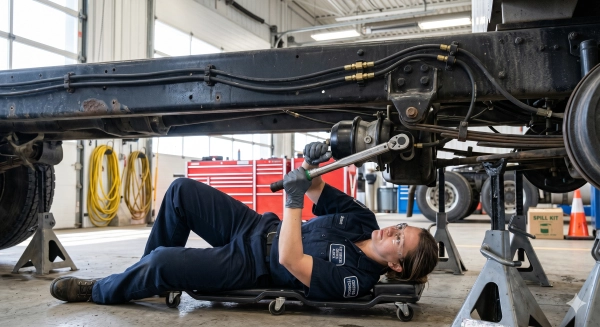
Qualified technicians save lives, equipment, and deadlines. Their work reduces hazards, increases precision, and maintains machinery within guidelines. That translates to safer sites, fewer mistakes, and reduced lifetime costs across fleets and facilities.
1. Unwavering Safety
Harsh regiments are not an option. Trained techs lock out power, torque spec, and test critical systems such as brakes and steering before release. This level of quality control minimizes the risk that an isolated bad repair will lead to an accident or injury, property damage, or legal action.
Expertise reduces accidents on the road and on-site for chauffeurs and carriers. Qualified technician shops have fewer near misses, cleaner safety records, and more stable insurance rates.
Experienced eyes spot early trouble, such as cracked hoses, heat-checked rotors, and loose mounts, before they become high-speed catastrophes. That makes your work environment safer for all.
Confidence comes after evidence. When crews observe reliability and neat bays, they rely on the work and concentrate on their tasks with less doubt.
2. Financial Prudence
Solid repair prevents repeat failures, which saves lifetime cost. Fewer mistakes, less downtime, and less frustration add up to serious savings over the course of a year.
Precision diagnostics keep you from chasing parts and labor blindly. Experienced techs armed with infrequent troubleshooting superpowers identify the source quickly.
Keep warranty coverage and chargebacks at bay with certified technicians. Many OEMs require certified hands-on services.
Preventing a single catastrophic failure can save tens of thousands of dollars in emergency repairs and lost loads.
3. Operational Uptime
Less unexpected downtime means more fleet efficiency. Qualified technicians standardize inspections and catch patterns before they spread.
Rapid, systematic diagnosis gets trucks back on line sooner. First-time-right repairs eliminate re-dos and scheduling mayhem.
Dependable rides maintain routes and shifts, sustaining business continuity. Downtime diminishes and so does lost revenue related to stranded assets.
4. Diagnostic Precision
High-tech tools and training identify intricate issues, not just symptoms. It reduces repair time and parts wait cycles.
Undeniable fault isolation saves needless replacements and irate customers. First-time fix rates soar, repeat visits plummet, and unexpected expenses decline.
Survey data indicates that 62% rate certifications as “extremely important,” 38% as “somewhat,” and none as “unimportant,” mirroring the market’s trust in proven ability.
5. Asset Longevity
Professional preventive care will extend equipment life by an average of 30 percent. Manufacturer steps save engines, brakes, and driveline components.
Early wear indicators are identified and repaired in a timely manner. Performance remains constant, fuel is monitored, and ROI remains high.
The Hidden Costs of Inexperience
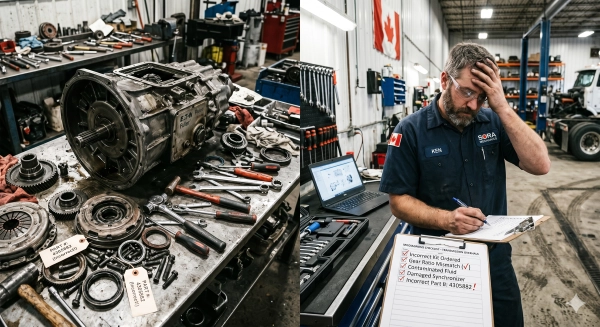
Shoddy work is expensive work. Mistakes cause callbacks, extended downtime, safety hazards, and eroded confidence. Training and certification mitigate these hazards while raising productivity and spirit.
Misdiagnosis
Incorrect fault tracing leads repairs astray. A misread sensor can hide a wiring fault, replacing components doesn’t help, and the actual problem remains. In HVAC, a dirty filter can masquerade as a blown compressor. The replacement is expensive, but so is the airflow.
Each miscall incinerates components, manhours, and calendar hours. That single empty bay can represent thousands of euros in lost weekly revenue, and a bay filled with the wrong job can choke off higher-value work. For fleets, every truck off the road means rental fees and missed loads.
Technical skill minimizes speculation. Experienced technicians employ systematic testing, consult service information, and fault trees. This reduces the probability of expensive mistakes and minimizes the trajectory to a neat quick repair. It fosters confidence and morale, which enhances productivity and job satisfaction.
Downtime drags when the initial fix doesn’t work. Vehicles sit for new parts, new approvals, and another appointment. Customers experience delays, not root causes, and they measure time wasted, not effort invested.
Repeat Repairs
Repeated breakdowns sap both patience and dollars. A brake squeal that returns after pad swaps, for example, indicates missed rotor run-out. The second trip requires twice the labor and still results in comebacks.
Employing certified techs increases first-time fix percentages. That translates into reduced returns, more predictable ETAs, and more consistent cash flow.
Repeat work waylays fleet plans. Missed routes necessitate last minute rush jobs, overtime, and rental units that drive up labor and fuel costs.
Trust takes a hit with each comeback. Clients doubt estimates, question safety, and begin price checking elsewhere.
Liability Risks
Bad repairs can cause safety incidents, lawsuits, and insurance increases. A loose steering joint or mis-torqued wheel nut can go from defect to injury.
Certifications establish a minimum skill level and assist in demonstrating due care to shops and fleet owners. Strong documentation, such as torque values, parts lots, and test results, demonstrates compliance with the standard and reduces liability.
Lapses associated with unqualified work erode reputation quickly. Word gets around and audits become tougher.
The Diagnostic Difference
Certified technicians bridge the gap between complicated truck systems and concise solutions. The certified diagnostics make ambiguous symptoms actionable because routine work done right can add 30% to service life. The Diagnostic difference is the right people, tools, and data making fast, correct calls that prevent re-dos and keep costs in check.
Modern Complexity
Heavy trucks these days operate on a web of control modules, sensors and actuators that control fuel, emissions, braking, steering, and aftertreatment. Systems chatter across CAN and LIN buses as telematics transmits live data. That combination increases both the ceiling and the stakes.
Such sophistication requires constant learning. Trained technicians follow software updates, service bulletins, and new repair techniques, so there’s no guessing and they adhere to industry standards.
Expertise counts for the diagnostic difference. Calibrating camera and radar-based ADAS, updating control units, and validating cybersecurity steps require established processes, not guesswork. Even a loose step in a calibration can ripple across systems.
Deep knowledge of computer-controlled parts and sensor logic is now core craft. Scanning to see what a NOx sensor, DPF pressure transducer, or brake control unit is “saying” stops the parts swapping and eliminates guesswork, nailing down root cause.
Specialized Tools
Maker-approved scan tools, breakout boxes, and calibration kits keep tests precise and software safe. Common purpose tools tend to lack navigated capabilities or locked workflows that count.
The right tool accelerates analysis and increases precision. A factory scan flow, a smoke machine for intake leaks, or a high-voltage-safe meter on hybrid drives cuts paths to evidence.
Incorrect tools invite disaster, including stripped connectors, corrupted modules, or bent pins.
Matching tool to task protects pride and parts.
Current equipment is a quality investment. As systems evolve, so must firmware, adapters, and test fixtures to maintain trustworthy results.
Data Interpretation
Experienced techs convert fault codes and live PIDs to intelligence. With practice, typically thousands of cars, 95% of issues are diagnosable within an hour, with a tough 1 to 5 per 100 requiring further, more in-depth testing.
That’s where good calls come from — by correlating real-time data with physical inspections. Code, scope trace, pressure reading, and road test beat code alone.
About the Diagnostic Difference Access to service info is now as important as a wrench. Experienced diagnosis savvy often exposes ingenious solutions others overlook.
More Than Just a Repair
Certified technicians sculpt uptime, safety, and economics. Their impact goes far beyond the bay and affects customer confidence, brand loyalty, and fleet results for years to come.
Strategic Partner
A great relationship begins with context. Our technicians get to know the fleet’s duty cycles, terrain, load patterns and compliance requirements. They observe which routes pound brakes, which drivers hear repeated alerts and where idle time spikes fuel burn. This know-how highlights actual solutions, not speculation.
They then customize plans to objectives. If a client wants to save 8% on fuel, a tech might set injector checks to every 20,000 kilometers and specify low-rolling-resistance tires. For mixed fleets, they can divide service windows to align with OEM recommendations and local regulations.
Strategic thinking gets honed with professional assistance. Techs consult on parts stocking, tool kits for remote depots, and swap intervals for batteries in cold zones. In manufacturing, where US production could total four point five trillion dollars in 2024, this scheduling minimizes line stops. Equivalent increases appear in IT, automotive, and electrical fleets, all geared for consistent expansion.
Decreases when you align service with actual usage. Vibration logs can schedule bearing replacements before failure. Oil analysis can extend or reduce intervals. A lot of techs train in robotics at technical schools, where they mix mechanical, electronic, and computer skills without a four-year degree. This is handy for today’s gear.
Brand Ambassador
Every call is a brand moment, not just a repair. Clean work, easy notes and punctuality demonstrate respect and competence. That consistency creates trust and loyalty across borders and cultures.
Ethics count. Clear quotes, clearly marked parts, and wear photos keep clients in the loop. In healthcare, where technicians run diagnostic equipment that informs patient care, precision and accuracy safeguard both results and reputation. The US diagnostic imaging market that is anticipated to grow to $206.84 billion by 2030 highlights the need for such expertise.
Proactive Advisor
Skilled technicians spot early signs such as heat marks on hubs, faint sensor drift, and hairline cracks. They get their hands on wrenches and widgets each day, so they’re naturally adept at pattern recognition. That’s why the position transformed from repairman to troubleshooter.
They construct preventive schedules based on odometer data, idle time, and duty profile. They coach drivers in warm-up, load balance, and inspection steps.
When safety or efficiency can get higher, they recommend upgrades such as brake pad compounds, firmware patches, or more optimal harness routing. Robust technician careers bloom in this consulting arena, frequently with decent pay and way-forward options without a 4-year degree.
What Defines Qualification?
Qualification mixes documented talent, demonstrated discipline, and consistent development. It encompasses everything from education, certifications, and years in the field to key characteristics like leadership, adaptability, and clear communication. It establishes a benchmark for safe operation, speedy diagnosis, and reliable outcomes across geographies and manufacturers.
- Core criteria: * Accredited education or degree in a relevant major.
- Formal qualifications from certifying bodies.
- Fixed years of experience in the particular field.
- Robust problem-solving within time and safety constraints.
- Reliability, communication, and organization.
- Proof of learning, mentoring, and recorded upskilling.
- Adherence to regulatory and maker guidelines.
Certifications
Certifications verify that a technician can adhere to industry standards, manufacturer specifications, and safety regulations. They ascertain qualification through third party standards and maintain teams audit-ready in high oversight locations.
- Checklist for essential certifications: * Regulatory licenses: proof of legal right to work on systems (e.g., electrical, gas, pressure vessels), tied to local codes and periodic renewal.
- Manufacturer certificates: brand-specific training for install, service, and firmware updates, often required to keep warranties valid and access parts.
- Safety and environmental: courses on lockout/tagout, confined spaces, and handling of refrigerants or hazardous waste, with expiry dates tracked.
- Quality and process: credentials in diagnostics, calibration, or testing methods to meet service-level targets and documentation norms.
- Digital skills: endorsements for diagnostic software, field service tools, and secure data handling to protect client systems and privacy.
Keep credentials up to date. Keep up with renewal windows, version updates, and new model lines to stay current.
Continuous Learning
Training plans keep teams sharp as tools, codes, and materials change. Attend hands-on workshops that address new sensors, control boards, and repair procedures.
About: Is it qualified? Pilot it, measure gains, then roll out.
Mentorship transfers tacit skills quickly. Match juniors with seniors on actual work projects and switch up leads.
Reward motivated development with time, tuition, and concrete actions to move forward.
Proven Experience
Hands-on time reveals how you think when a solution is not glaring. Years of experience or a quantifiable number of complex projects can be job criteria.
Measure results, not just time. Service logs, first-time fix rate, repeat fault drops, and client feedback indicate qualification.
Look for breadth. Multi-brand and multi-system work in HVAC, electrical, and automation constructs adaptable judgment and quicker fault isolation.
Qualification What qualifies Post-job critiques transform failures into to-do lists and improved calls.
Our Commitment to Excellence
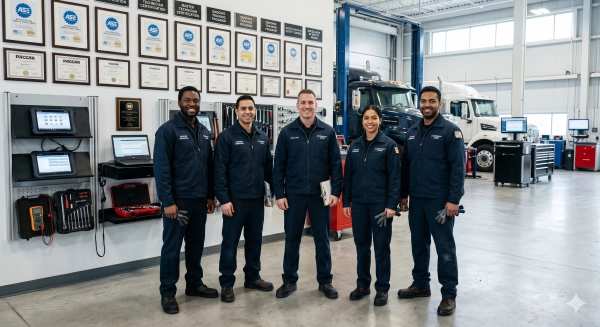
Excellence begins with individuals, the appropriate equipment and transparent criteria. It means we celebrate technician work and are committed to their advancement, as they are the catalyst behind advances in research, industry and education.
Employ only highly qualified, certified technicians for all services.
We assemble teams with certified, time-served technicians that satisfy rigorous industry and safety standards. We check credentials, hands-on hours and recent projects. This assists in minimizing rework, reducing downtime, and ensuring consistent quality across sites. At universities, expert technicians operate core labs, advise PhD and postdoc methods and assist massive undergrad classes. They author and optimize protocols, calibrate instruments, and maintain data traceability. Their contributions frequently influence research design, which is why a number acknowledge technical staff for key methodologies or constructs. Throughout the UK, the Technician Commitment, now supported by over 50% of universities and many research institutes, demonstrates how this work’s formal acknowledgment enhances productivity and spirits.
Invest in state-of-the-art diagnostic tools and ongoing staff training.
We match skill with modern tools, including digital multimeters with data logs, thermal cameras with high resolution, advanced oscilloscopes, vibration sensors, and safe test rigs. We schedule upgrades on a 24 to 36 month cycle, conduct peer demos, and allocate time for vendor-led sessions. Training covers new safety codes and new fields like AI-based fault finding, additive manufacturing, and clean energy systems. With a massive technical staff turnover looming in the next decade, incoming recruits come with lofty expectations for advancement, support, and growth, and we answer that with defined career paths, mentoring, and sponsored courses. This is important as science and engineering become more complex and the skills gap, highlighted by the UK’s Industrial Strategy drive, becomes more pressing.
Services, features, and benefits
| Service | Key Features | Benefits |
|---|---|---|
| Equipment calibration and validation | ISO-aligned methods, traceable logs, metric units | Lower error rates, audit-ready records |
| Preventive maintenance | Scheduled checks, OEM parts, life-cycle plans | Less downtime, longer asset life |
| Diagnostics and repair | Advanced sensors, root-cause reports | Faster fixes, safer restarts |
| Lab setup and training | SOPs, user training, safety drills | Better compliance, strong data quality |
| R&D technical support | Prototype build, test design | Stronger results, quicker iteration |
Uphold the highest standards of safety, reliability, and customer satisfaction in every job.
Written risk checks, lockout/tagout, and test-before-touch rules. We follow failure patterns, issue transparent service disclosures, and request feedback on every job. This constant, transparent process develops confidence and maintains healthy outcomes. A true dedication to quality implies we regard mechanics as fundamental allies and finance their destiny.
Conclusion
Professionally trained techs increase the likelihood of a repair that stands the test of time. They eliminate guesswork. They identify the root cause quickly. They have solid processes. They utilize proper equipment. This conserves time, components, and tension.
Real evidence occurs in small victories. Not a clean crimp on a wire. Just one qualified technician is only important as much as they hit spec. A code log to match the fault. A test drive that’s tight and smooth. Such checks create confidence.
Teams with qualified technicians maintain that lead. They get trained on new equipment. They swap notes. They keep safety at the forefront.
To achieve consistent results, choose work supported by certificates, testing instruments, and a defined procedure. Need assistance to vet a shop or schedule a service check? Get in touch with your situation.
Frequently Asked Questions
Why do qualified technicians matter?
They get it right the first time. That saves you time, money, and stress. Their expertise mitigates hazards, safeguards guarantees, and enhances security. You receive dependable repairs and extended equipment life.
What are the hidden costs of inexperience?
Misdiagnosis, multiple visits, and superfluous parts increase your downtime. Small issues turn into catastrophic malfunctions. You pay more and risk safety and voided warranties.
How do qualified technicians improve diagnostics?
They employ approved procedures, calibrated instruments, and up-to-date standards. They rely on checklists and manufacturer information. This results in precise root-cause diagnosis and fewer comebacks.
Is a qualified technician more than a repair person?
Yes. They counsel on prevention, maintenance schedules, and efficiency. They record work, comply with safety codes, and assist you with budget planning. You receive long-term value and not just a quick fix.
What defines a technician’s qualification?
Professional training, certifications, and continuous education. Demonstrated experience, manufacturer endorsements, and safety standards. References and proven results indicate trustworthiness.
How can I verify a technician’s credentials?
Demand certification numbers and training records. Verify with issuing authorities. Check for manufacturer authorizations, insurance, and customer testimonials. Make sure they adhere to local and international standards.
What is your commitment to excellence?
We employ qualified technicians, validated utilities and current process. We record each job, adhere to safety standards and support our work. We strive for precise diagnostics, long lasting repairs and transparent communication.
Looking for more information? Coppertop Truck Repair provides comprehensive resources for professional diagnostics, maintenance, and fleet performance optimization.
You may also find the following resources helpful for additional reference.